Mexican families may get Canadian passports
Bill C-3 allows some Mexican families to claim Canadian citizenship by descent, requiring proof of an unbroken generational line.

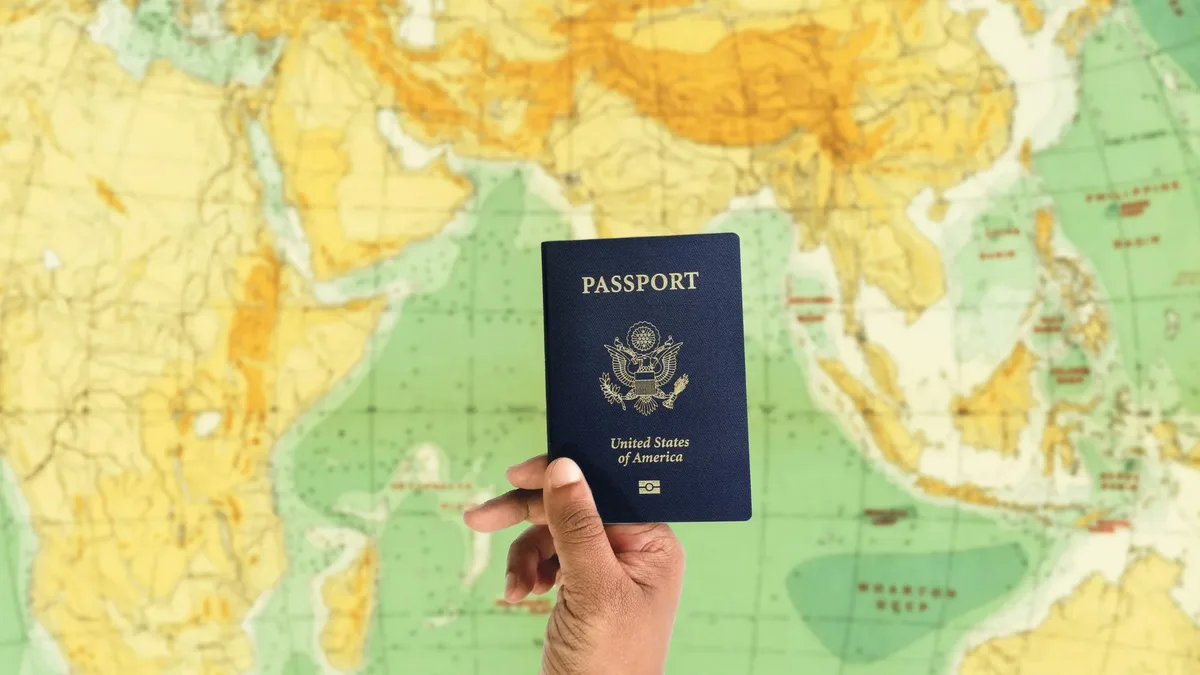
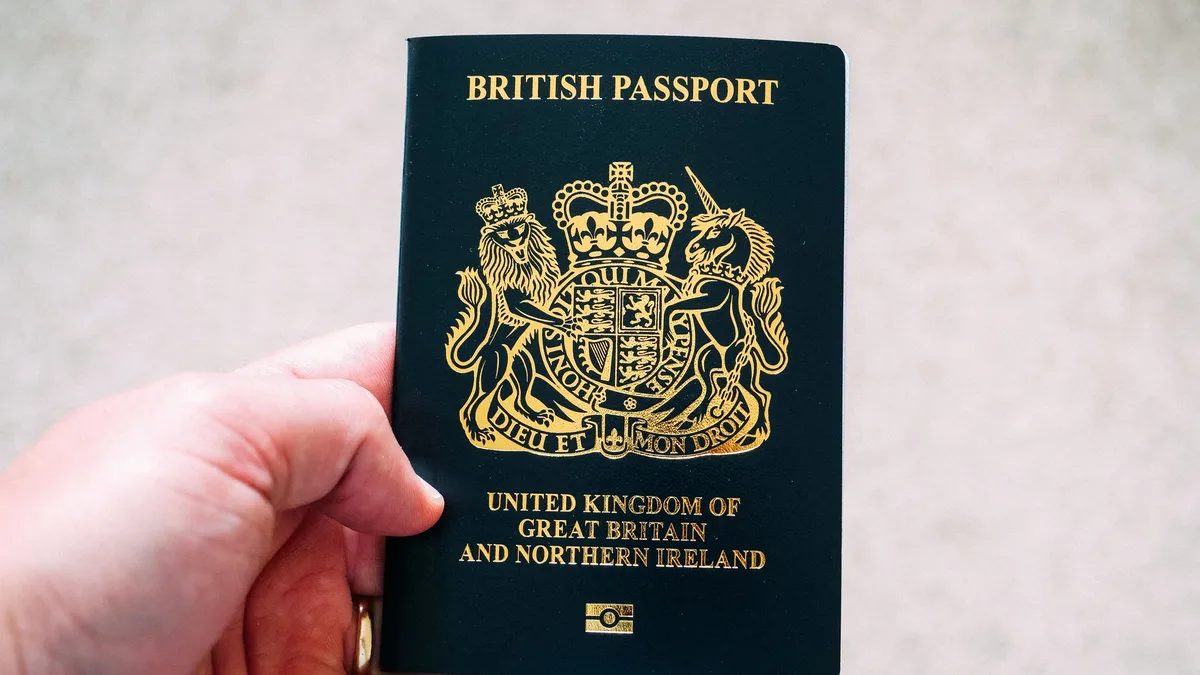
Mexican families may now qualify for Canadian passports under Bill C-3 if they can prove an unbroken line of descent from a Canadian ancestor. The law has created a specific pathway, with successful applicants first receiving a citizenship certificate before becoming eligible for a passport.
For children born outside Canada on or after December 15, 2025, a new 1,095-day residency test applies. If the Canadian parent was also born abroad, they must have spent 1,095 days physically present in Canada before the child's birth.
Proving the Generational Line
The core of any claim is documentary evidence. Applicants must trace their lineage without interruption. The process typically starts with the oldest known Canadian ancestor's birth certificate or naturalization record. From there, a chain of birth certificates for each subsequent generation must link that ancestor directly to the applicant. Immigration, Refugees and Citizenship Canada (IRCC) updated its guidance in June 2026, instructing applicants to submit authentic, reliable, and verifiable records for every link in the chain. The process is entirely documentary.
A citizenship certificate is the first official document granted. Only after securing this certificate can an individual apply for a Canadian passport. The burden of proof is entirely on the applicant.
Processing Delays and Applicant Trends
Processing times are a significant hurdle. Current reporting from August 2026 indicates that proof-of-citizenship applications can take more than two years to finalize. IRCC attributes part of this delay to the complexity of verifying multi-generational documentation from abroad.
Mexican-born applicants have become a substantial portion of those approved under the expanded rules. They now account for 20.5 percent of approvals, a figure only surpassed by applicants born in the United States, who make up 51 percent. The total number of approvals continues to rise. For more detailed figures on applicant origins, you can review our stats page.
Key Rules by Birth Date
The specific rules an applicant faces depend entirely on their date of birth. The law creates a clear distinction based on the December 15, 2025, cutoff.
| Applicant's Birth Date | Key Requirement |
|---|---|
| On or after December 15, 2025 | Canadian parent born abroad must have 1,095 days of physical presence in Canada before child's birth. |
| Before December 15, 2025 | Must prove unbroken descent from a Canadian ancestor, with no first-generation limit. |
For those born before the cutoff date, the old first-generation limit that previously blocked many claims no longer applies. The line must simply remain unbroken up to that person's generation. Not every family line will meet this standard, as a single break in the chain disqualifies the claim. Understanding the full legal context, including other recent legislative changes, can be helpful; relevant information can be found on our fixtures page.
Families are advised to begin by mapping their oldest known Canadian ancestor and then working forward through the generations. The final step involves gathering the stringent documentary evidence required by IRCC.