ICE to buy $2M robot dogs for inspections
U.S. Immigration and Customs Enforcement plans to spend up to $2 million on Boston Dynamics SPOT robot dogs to remotely inspect dangerous areas before
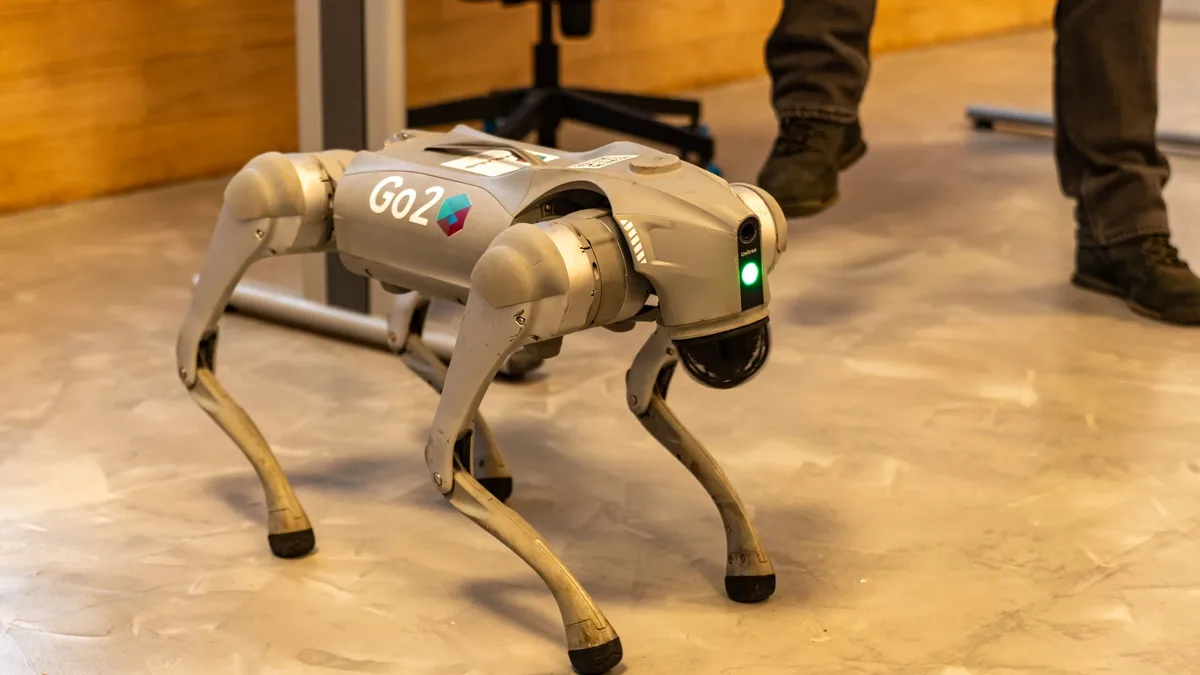
U.S. Immigration and Customs Enforcement (ICE) plans to spend up to $2 million on Boston Dynamics SPOT robot dogs. The procurement notice, dated August 28, 2026, states the robots would be used for remote inspections and hazard assessments in dangerous locations before personnel enter.
The plan is currently at the procurement stage. According to the source, the notice describes desired equipment, not a finalized deployment. The agency's stated aim is to improve officer safety and support operational decisions.
Proposed Robot Functions and Justification
The procurement language frames the robots as a remotely operated system for three core functions: inspection, situational awareness, and hazard assessment. The notice from the Department of Homeland Security (DHS) says this capability is intended for "environments that may pose risks to personnel."
It specifically mentions dangerous, confined, unstable, or difficult-to-access areas. The robots would carry 360-degree cameras and an extendable arm capable of opening doors. Some descriptions also mention autonomous functions. This would allow personnel to view conditions and interact with an environment without immediate physical entry.
The acquisition materials reference border security and infrastructure security as possible operating areas. The $2 million figure is a spending ceiling for the proposed acquisition. The notice does not set a deployment timetable or specify how many units would be used.
Separate Equipment Purchase Raises Concerns
The robot proposal comes alongside a separate DHS-approved equipment purchase. This contract is for electric shock gloves for officers.
The two acquisitions involve different equipment with different stated purposes. The robots are for remote inspection to keep staff out of hazardous spaces. The gloves would be worn by officers during operations.
Both purchases have been presented using personnel-protection language. However, the broader equipment push has drawn skepticism. Critics have expressed alarm over the potential militarization of the agency's operations. This reaction partly focuses on the contrast between the remote-inspection justification for the robots and the separate purchase of shock gloves.
The procurement notice for the robots firmly identifies their functions as inspection, situational awareness, and hazard assessment. It frames them as tools for incident response in difficult environments. Later operational decisions would determine where and how the machines are used in enforcement work.
As of the notice date, the acquisition remains in the planning stage. A proposed purchase is a procurement step, not a completed deployment. Any future field use would put the listed robotic features into specific operational settings.