Vietnam Airlines Flight Incident Highlights Immigration and Travel Concerns
A Vietnam Airlines flight incident has raised concerns about immigration and travel, with the plane narrowly clearing a Munich Airport fence after a mid-air scare.
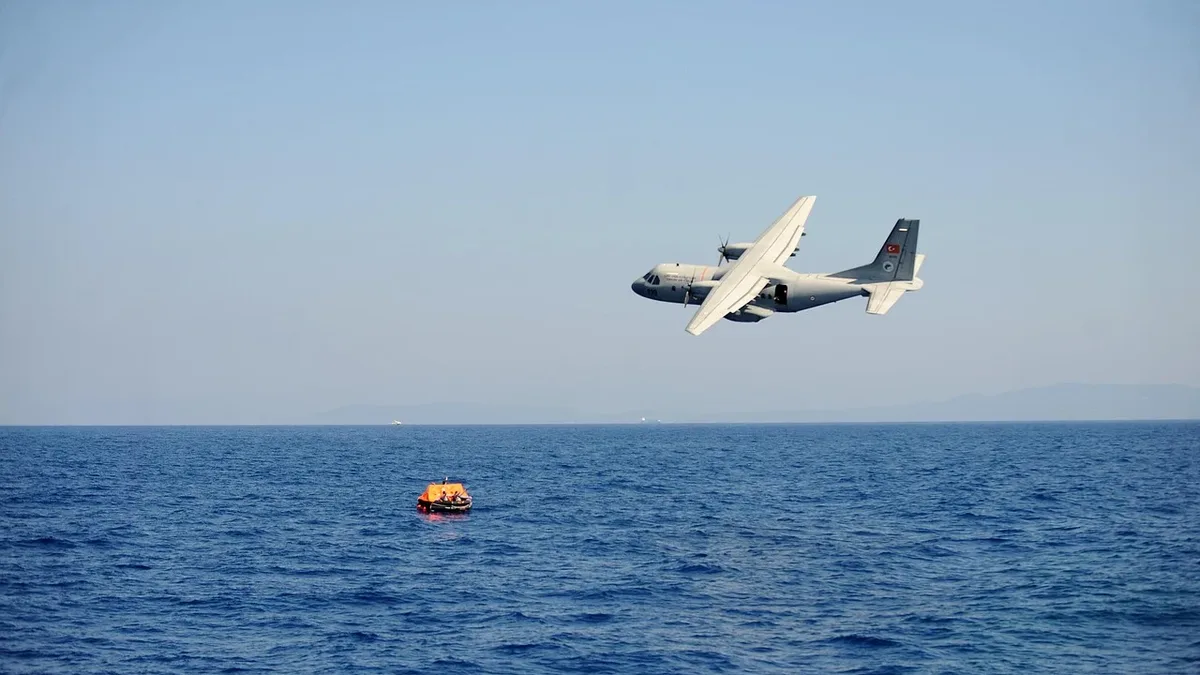
The recent incident involving Vietnam Airlines Flight VN34 has brought attention to the importance of immigration and travel safety. The Boeing 787-9 aircraft, carrying 271 passengers and 16 crew members, lifted off from Munich Airport with only 91 meters of runway remaining after the aircraft's speed faltered during takeoff.
Incident Details
The aircraft became airborne near the end of runway 26L and returned to the airport after circling for more than two hours while burning fuel. Everyone aboard remained safe, but the aircraft suffered a tail strike and four burst tires during the incident. Investigators are examining possible brake actuator faults that caused unintended drag during the takeoff roll.
The Civil Aviation Authority of Vietnam reported that warnings were triggered indicating contact between the aircraft's tail and the runway and low tire pressure. The authority described the sequence in Preliminary Report No. 4711/BC-CHK, dated August 17, 2026. The report states that the aircraft's speed stopped increasing for approximately two seconds when it was roughly halfway down runway 26L.
Aircraft Specifications
The aircraft involved was registered as VN-A867 and was described as approximately 10 years old. The aircraft's reported takeoff weight was approximately 240 metric tons, below its maximum takeoff weight of 247.2 tons. The flight used runway 26L, which measures 4,000 meters, or 13,123 feet.
| Category | Value |
|---|---|
| Aircraft Age | 10 years |
| Takeoff Weight | 240 metric tons |
| Maximum Takeoff Weight | 247.2 tons |
| Runway Length | 4,000 meters |
Investigation and Aftermath
German and Vietnamese authorities have opened investigations into the incident. Germany's Bundesstelle für Flugunfalluntersuchung is examining the flight data and cockpit voice recorders. The recorders have been taken to the agency's headquarters in Braunschweig. Investigators are focusing on why the takeoff roll lasted much longer than usual.
The Vietnamese Ministry of Construction ordered the Civil Aviation Authority of Vietnam and the airline to establish a direct communication channel with German authorities. The arrangement is intended to support participation in the German-led probe. The Vietnamese authority also received instructions to strengthen safety oversight of aviation personnel training and conduct a comprehensive review of all flight safety processes.
Conclusion
The Vietnam Airlines Flight VN34 incident highlights the importance of immigration and travel safety. The investigation into the incident is ongoing, and it is essential to wait for the official report before drawing conclusions. However, the incident serves as a reminder of the need for vigilance and strict safety protocols in the aviation industry.