State Department Clarifies Short Recreational Course Rules for B-1/B-2 Visas
U.S. officials have clarified that B-1/B-2 visitor visa holders may take short recreational classes that do not grant academic credit, but academic study requires a student visa. The guidance details discretionary visa revocation procedures and the travel consequences of a canceled visa.
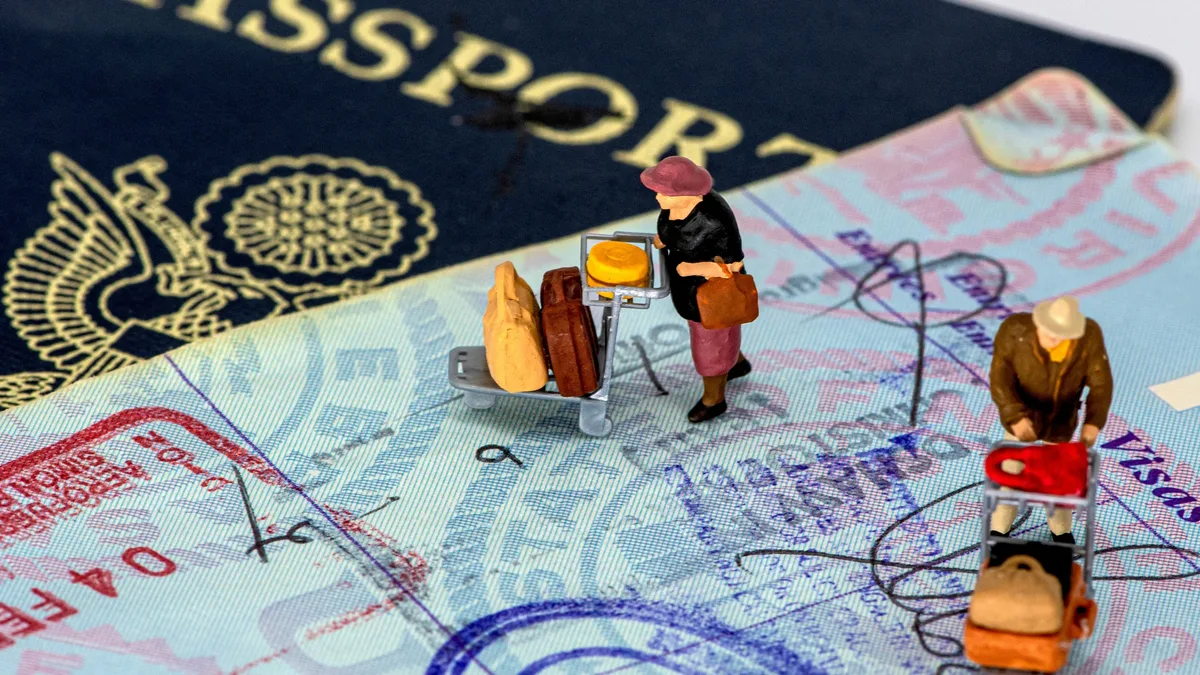
The State Department has clarified that holders of B-1/B-2 visitor visas may enroll in short recreational courses, provided the classes do not offer academic credit toward a degree or certificate. Academic study or training, however, requires an F or M student visa. This guidance was published on November 13, 2026, amid scrutiny of visa revocation procedures, offering travelers clearer rules to avoid unintentional violations of their visa conditions.
A revoked visa is not valid for travel to the United States, regardless of when notice is given. If a visa is physically canceled after revocation, the holder may apply for a new visa but cannot travel on the canceled document.
Section 222(g) mandates automatic cancellation for overstays
Staying in the United States beyond an authorized period can trigger automatic visa cancellation under Section 222(g) of the Immigration and Nationality Act. This provision is separate from the discretionary revocation process for other violations.
Recreational vs academic course distinctions
The key distinction between a permitted recreational course and one requiring a student visa lies in the course's purpose and whether it awards academic credit. The State Department emphasizes that course length is not the defining factor, and it has not set a specific maximum duration for permissible recreational classes. Using a visitor visa for activities that require a different visa category, such as enrolling in a university or training program that grants credits or a U.S. certificate, may constitute a breach of visa conditions.
Permitted activities on a B-1/B-2 visa include business meetings, tourism, family visits, medical treatment, and short recreational courses without academic credit. The visas do not allow work, paid professional performances, academic study, or permanent residence.
Visa revocation authority and procedures
Visa revocation is a discretionary action. The general framework is found in INA 221(i) and 22 CFR 41.122, with a 2022 regulation stating that consular officers, the Secretary of State, or delegated officials may revoke visas at any time at their discretion. A 2011 Federal Register revision previously described this discretionary authority.
For a consular officer to revoke a visa, there generally must be an actual finding of ineligibility, such as under INA 214(b), which presumes immigrant intent. Suspicion alone is not enough, except in certain DUI-related cases. However, officials may use prudential revocation when ineligibility is suspected or provisional revocation while eligibility is considered; a provisional revocation has the same force as a final one unless it is reversed.
Officers should notify the visa holder when practicable and provide an opportunity to explain why the visa should remain valid. Notice may be deemed impracticable if the person's location is unknown or their travel to the U.S. is imminent.
ICE enforcement and travel consequences
Immigration and Customs Enforcement states that most visa revocations take effect upon the holder's departure from the United States, with the majority of revocations occurring while the person is outside the country. A visa revocation can lead to further immigration consequences, including visa cancellation, increased difficulty in obtaining new travel authorization, return restrictions, and potential initiation of removal proceedings. A revoked visa is invalid for admission at a U.S. port of entry, regardless of the timing of notice.