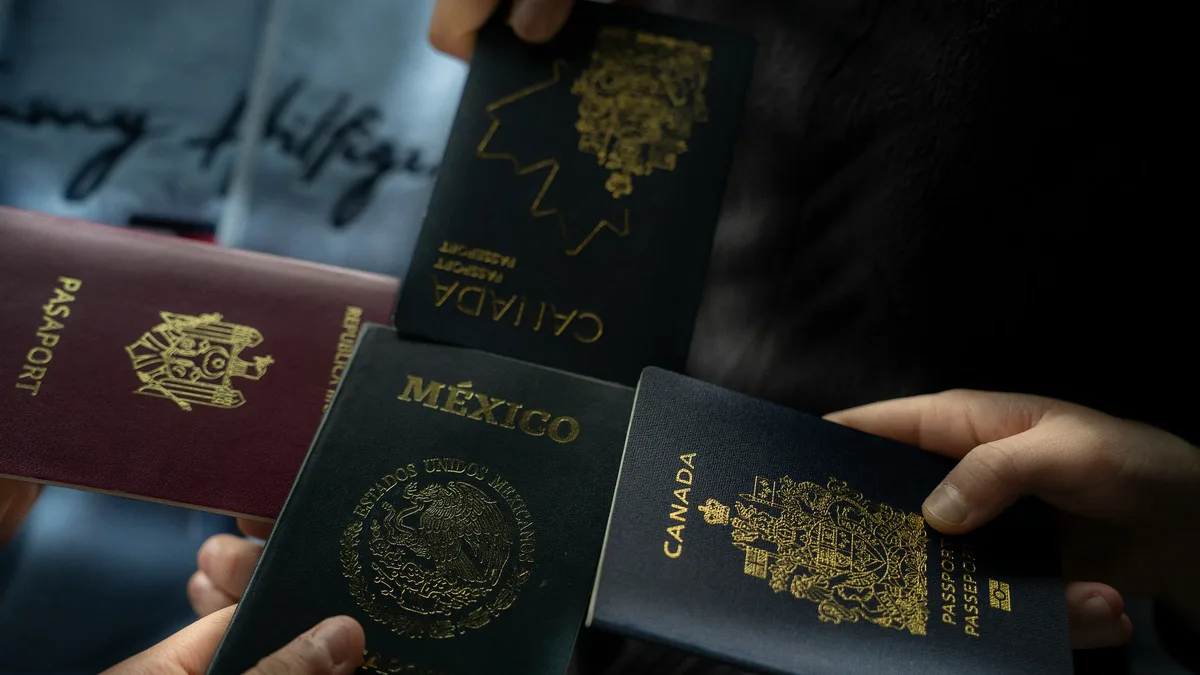
IRCC Fast-Tracks Citizenship Certificates
Canada is offering urgent processing for citizenship certificates to eligible students, potentially saving them thousands in tuition fees.

Immigration, Refugees and Citizenship Canada (IRCC) is fast-tracking proof of citizenship applications for people who plan to study in the country. Some applicants could receive their citizenship certificate in time for their starting semester, according to a report from CICNews.
This urgent processing pathway offers a stark contrast to standard wait times. Most American applicants currently face a processing time of over two years for a citizenship certificate.
Processing Backlog and Urgent Relief
Proof of citizenship applications have accumulated since Bill C-3 took effect on December 15 2025. The bill removed the first-generation limit on citizenship by descent. This change allowed millions of people abroad, many in the United States, to claim citizenship through a Canadian parent or grandparent.
The surge has extended processing times. They have now climbed to 25 months as of August. IRCC, however, maintains a faster "urgent processing" route for limited situations. One qualifying scenario is for individuals who need the certificate for education purposes, such as to attend a school, college, or university.
How to Request the Education Fast-Track
Applicants must actively request urgent processing. A request based on education grounds requires specific documentation submitted with the complete application package.
This includes a cover letter explicitly requesting urgent processing under the education scenario. A second letter must explain why urgent processing is needed and how it relates to their studies. Proof of education in Canada, like a letter of acceptance and a tuition summary, is also mandatory.
An IRCC officer then decides if the request qualifies. The department states on its website that it "can’t guarantee you’ll get your citizenship certificate in time."
The Critical Link to Tuition Rates
Canadian citizens generally qualify for domestic tuition rates at colleges and universities, not the higher international rates. This difference can save thousands of dollars per year.
There is a significant catch. Some provinces, like Quebec, charge non-residents a separate, higher rate even if they hold citizenship. The most important timing issue, however, is institutional recognition. Schools require a citizenship certificate on file before applying the domestic rate. Without a processed certificate, students may have to pay international tuition.
In such cases, applicants should contact their institution. After receiving the certificate, they can inquire about applying for a different rate for the subsequent year or semester.
Other Grounds for Urgent Processing
Education is just one of several reasons IRCC may expedite a citizenship certificate. According to the Canadian government, other qualifying situations include:
IRCC reviews each request individually and does not guarantee approval. The department also will not process an incomplete application. Still, the fast track has worked for some this year. Some LGBTQ Americans have reported receiving certificates in as little as two weeks.
Beyond tuition, citizenship offers other benefits. Canada and the United States both permit dual citizenship. A Canadian citizen by descent can work unlimited hours while studying, unlike international students whose off-campus work is capped at 24 hours weekly. Citizenship also opens access to over 35 countries through International Experience Canada for those under 30 or 35.