Federal Judge Blocks Visa Revocation for
A U.S. District Judge ruled the Trump administration cannot revoke visas or deport international students as punishment for pro-Palestinian speech, citing
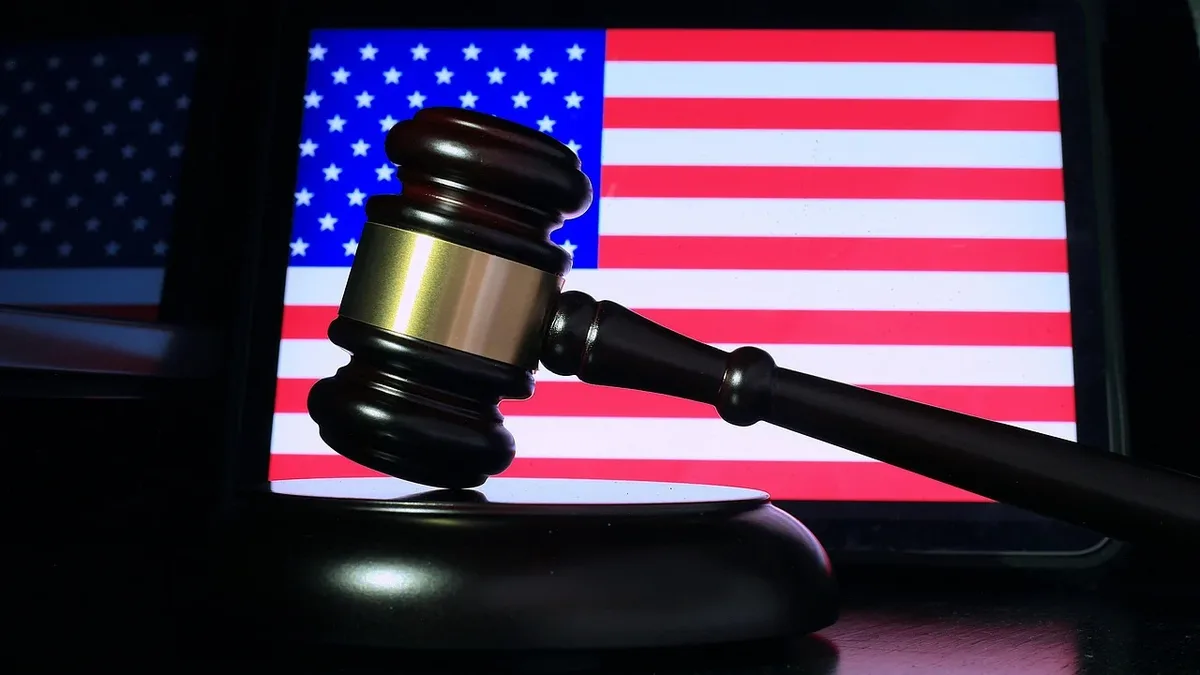
A federal judge has blocked the Trump administration from using visa revocation and deportation to punish international students for pro-Palestinian speech. U.S. District Judge Noël Wise issued the ruling in San Jose on August 28 or 29, 2026, according to reports from VisaVerge.
Judge Wise granted declaratory relief but declined to issue the specific injunction against deportations that was requested. The court still rejected the government's practice. The decision applied both the First Amendment and the Fifth Amendment, finding constitutional problems with using immigration enforcement against noncitizens when protected political expression was the reason for action.
Wise described the government's approach as retaliatory and "standardless." The case involved noncitizen students who feared speaking publicly or reporting on pro-Palestinian protests because immigration consequences could follow. "In the United States, freedom of speech belongs to the people," Wise wrote. "It is not the government’s to take."
The Pattern of Visa Punishment
Judge Wise said the record showed "one clear pattern" since March 2025. She described that pattern in direct terms: "The secretary revokes visas when noncitizens are critical of the government or the causes or people it favors."
The opinion focused on motive. It stated that immigration authority may not serve as a penalty for protected political expression when speech triggers the enforcement decision. The ruling arose from litigation over noncitizens who advocated for Palestinians, criticized Israel, or discussed the government's response to protests.
Impact on Students and Press Freedom
The opinion described one lawful noncitizen plaintiff who stopped publishing opinions about Palestine and Israel. This plaintiff also deleted a social media account to avoid retaliation for earlier expression.
This account deletion illustrated the pressure described in the case. Students feared that speaking or reporting about pro-Palestinian demonstrations could affect their immigration status. A student publication at Stanford welcomed the ruling after arguing that international students had been afraid to speak because of deportation threats. Wise wrote that "the freedoms of speech and the press are foundational to America’s enduring democracy."
Litigation and Broader Context
The litigation named Secretary of State Marco Rubio, the U.S. Department of State, and the Department of Homeland Security. The challenged conduct involved immigration enforcement against noncitizens engaged in pro-Palestinian advocacy.
The case followed a broader campaign that began in March 2025. That effort sought to revoke visas and pursue removal against foreign students and academics involved in pro-Palestinian advocacy. Earlier federal rulings in 2025 involved noncitizen students and academics who had been detained or targeted.
Wise's decision largely echoed an earlier ruling from a federal court in Boston. U.S. District Judge William Young, appointed by President Ronald Reagan, wrote that decision. Young found that the administration illegally detained, deported, and revoked the visas of foreign students and faculty because of pro-Palestinian advocacy. The litigation now includes rulings from federal courts in California and Boston.