Thousands in Mexico may be Canadian citizens
A new Canadian law that took effect in December 2025 allows citizenship to be passed down multiple generations, potentially making tens of thousands of
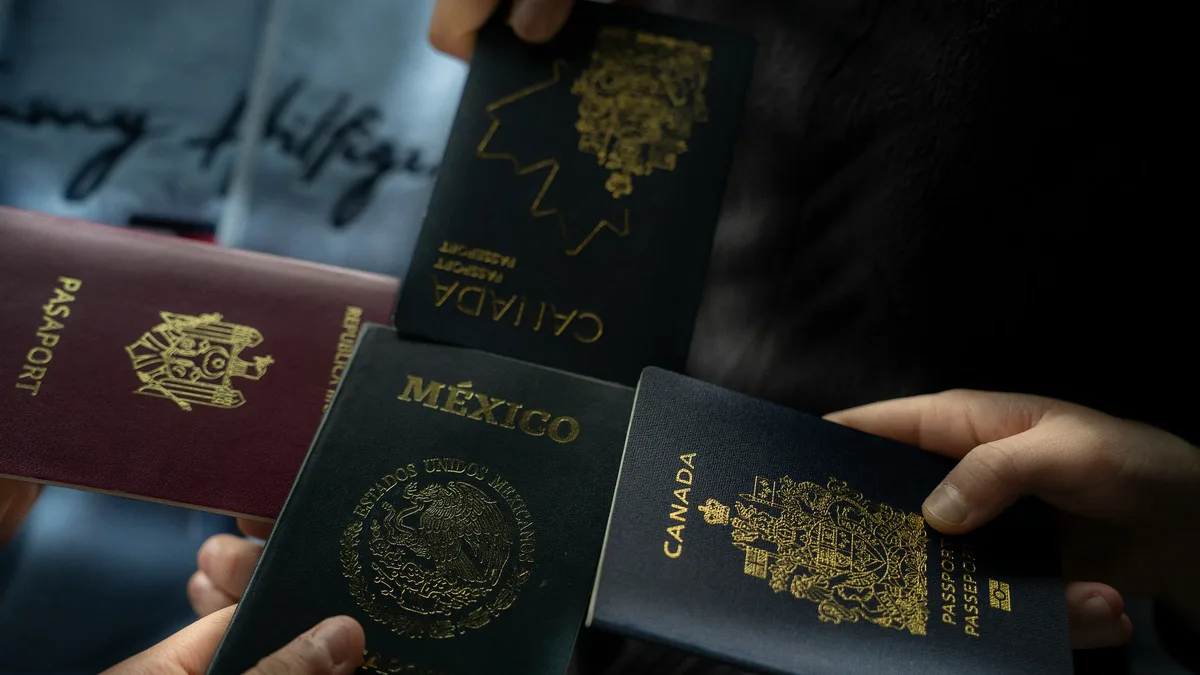
Tens of thousands of people in Mexico may now be Canadian citizens without knowing it, due to a new law that took effect in December 2025. The amendments, passed under Bill C-3, remove a long-standing limit on how Canadian citizenship can be inherited by children born outside the country, according to a report from CICNews.
Previously, a rule known as the first-generation limit meant that only the first child born abroad to a Canadian parent could claim citizenship by descent. The new law scraps that limit for anyone born before December 15, 2025. It also corrects other historical restrictions. Now, a person who can trace a direct lineage to a Canadian ancestor is considered a Canadian citizen, needing only to apply to the federal government to prove their status.
The Mennonite migration history
The change has profound implications for the descendants of thousands of Mennonites who left Canada for Mexico a century ago. The migration began in 1922, triggered by disputes over education and religious autonomy in Manitoba and Saskatchewan. Between 1922 and 1930, an estimated 6,000 to 10,000 people moved south on chartered trains, settling in colonies in Chihuahua and Durango that still bear names like Manitoba and Swift Current.
By 1965, an estimated 35,000 Mennonites with Canadian roots lived in Mexico. A crucial legal detail is that when these migrants left, Canadian citizenship did not yet exist; they were British subjects. The new Citizenship Act accounts for this, treating those born or naturalized in Canada before 1947 as Canadian citizens for the purpose of descent claims, even if they later lost their British subject status.
How to identify a potential claim
You do not need to be a genealogist to spot leads. Having a Canadian parent or grandparent likely makes you Canadian under the new rules. For more complex cases, several clues can indicate a potential claim.
- A surname common in the Canadian Mennonite colonies. Names like Sawatzky, Fehr, Friesen, Penner, Wiebe, Klassen, Dyck, Neufeld, and Reimer are prevalent.
- A family record showing an ancestor born in Manitoba or Saskatchewan, particularly in the western Manitoba, Swift Current, or Hague-Osler districts.
- Roots in the Cuauhtémoc region of Chihuahua or around Nuevo Ideal in Durango, the main settlement zones.
- A hometown or colony called Manitoba or Swift Current in Mexico.
- Grandparents who spoke Low German with stories of arriving by train in the 1920s.
- An ancestor who naturalized in Canada before 1947.
- Ties to early Canadian professional communities in Mexico City or Mormon colonies.
- A Canadian parent in retirement towns like Chapala, Ajijic, Puerto Vallarta, Mazatlán, or Los Cabos.
Researching your family history
Some research can be done for free from home. The 1930 Mexican census, indexed by Cornelius Heinrichs and published by the Mennonite Historical Society of Alberta, lists birthplaces for Mennonite households village by village. A surname search can reveal an ancestor listed as born in "Canada."
Provincial archives in Canada also hold key records. Manitoba opens birth records after 100 years, marriage records after 80 years, and death records after 70 years. Saskatchewan offers a free online index through eHealth Saskatchewan for births registered more than 100 years ago and deaths more than 70 years old. These resources can help descendants build the necessary paper trail to prove their lineage.
The report notes that while the Mennonite migration is the largest chapter, other streams of Canadian migration to Mexico over the decades have also left citizens and their children living there.