Bill C-3 Restores Citizenship to Grandchildren of Canadians in U.S
Canada's citizenship law changed in December 2025, removing the one-generation limit on descent. This allows many Americans with a Canadian-born grandparent who naturalized in the U.S. to claim citizenship, as illustrated by a government training example.
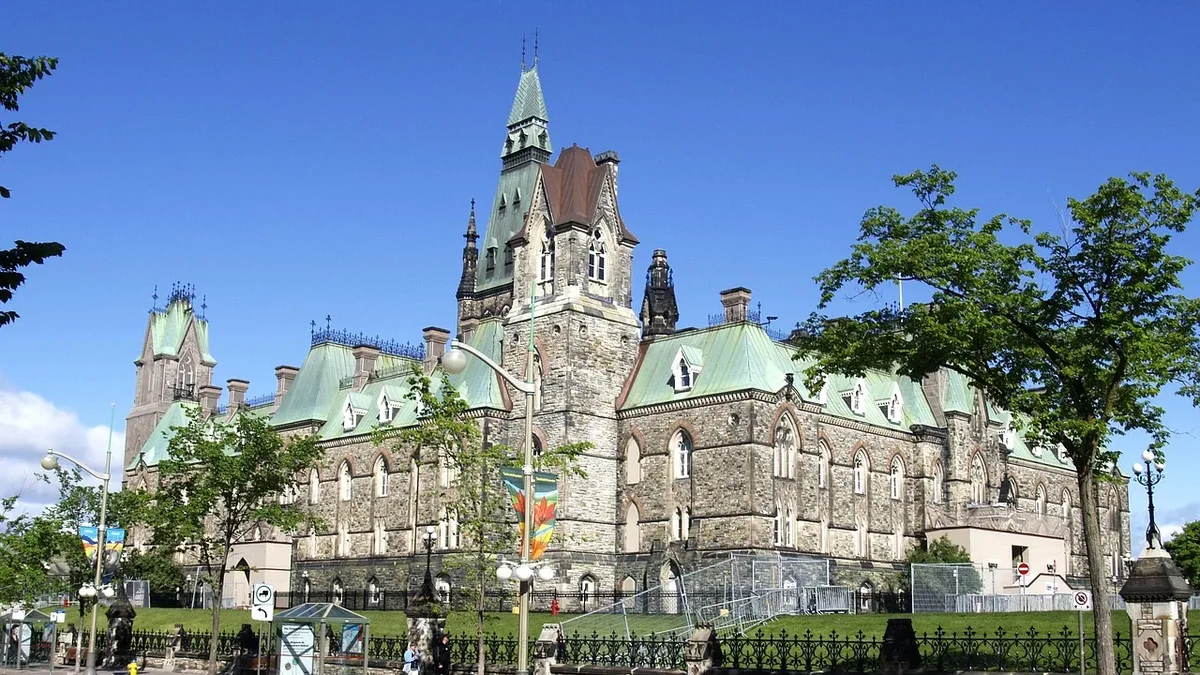
A 2025 change to Canada’s citizenship law now allows descendants of Canadian-born ancestors who became U.S. citizens to claim Canadian citizenship by descent. Bill C-3, effective December 15, 2025, removed the one-generation limit on citizenship by descent for people born before that date. This expansion directly affects families with cross-border ties, closing a long-standing gap in descent rules for grandchildren of Canadians who naturalized in the U.S.
A hypothetical training example shows how Bill C-3 enables citizenship claims for grandchildren of Canadians who naturalized in the U.S. The example involves a person named Clifford, born in 1998, who was invented by Immigration, Refugees and Citizenship Canada (IRCC) to train officers. Clifford’s grandparent was born in Canada and later became a U.S. citizen. Clifford’s parent was the first generation born outside Canada. The grandparent regained Canadian citizenship in 2009, decades after Clifford’s parent was born. Under the old rules the chain stopped at the parent; under Bill C-3, the department's own example shows it running through to the grandchild. Clifford’s family tree reflects a common pattern in the United States where a grandparent moved south and took U.S. citizenship.
How Bill C-3 changes descent rules
The law removes the first-generation limit and restores citizenship to those born abroad to Canadian parents before December 15, 2025, including through restored grandparents. From 2009 until December 2025, Canadian citizenship could pass down to only one generation born outside Canada. Bill C-3 removed the limit for everyone born before December 15, 2025. Under Canada’s new citizenship law, Clifford is Canadian and his citizenship counts from his date of birth.
IRCC’s public instruction guide states that "any person born outside Canada to a Canadian parent before December 15, 2025, is automatically a Canadian citizen." The guide adds that this includes people born "to a person who became a citizen as a result of amendments to the Citizenship Act in 2009, 2015 or 2025."
The law automatically remedied the status of anyone who would be a citizen today were it not for the first-generation limit or outdated provisions of old citizenship law. It restores citizenship to the remaining 'Lost Canadians,' their descendants, and anyone born abroad to a Canadian parent in the second or subsequent generations before the law took effect. For anyone born before December 15, 2025, that barrier is gone: if your parent was Canadian when you were born, you are a citizen by operation of law. Bill C-3 closes those gaps: a Canadian-born grandparent who became American decades ago, a classic Lost Canadian case, is restored, and the chain flows down to their child and grandchild born abroad. Nobody in this chain applies to become Canadian, they already are.
Who qualifies and what they need to prove it
Eligible applicants must document each generation’s link using birth and naturalization records, with IRCC accepting alternative evidence for gaps. ‘Lost Canadians’ refers to people who lost or never got Canadian citizenship under old rules that have since been fixed. The restorations did not cover people who renounced citizenship with the Canadian government or lost it through fraud. Taking U.S. citizenship does not count as renouncing Canadian citizenship.
Timing does not break the chain: a parent regaining citizenship after a child’s birth still allows the child to claim citizenship. A birth year before 1947 does not rule out a claim on its own. Parliament restored Lost Canadians in two rounds: 2009 for losses from 1947 on, and 2015 for those who lost status before 1947.
To apply for a citizenship certificate, applicants must provide specific documents. IRCC ranks documents into primary and secondary tiers. Older records can be hard to find. A letter of explanation or a no-record letter from the relevant office can account for gaps.
Siblings, cousins, and other descendants of the same Canadian grandparent may also qualify. Children born abroad before December 15, 2025, can claim through a parent who qualifies. The law includes people who had lost citizenship under the former section 8 retention rules. What you apply for is a citizenship certificate, the document that proves it, by documenting each generation with official records.
Current processing realities for proof of citizenship
As of September 2026, applicants face lengthy waits for citizenship certificates, though urgent processing is available in some cases. IRCC’s posted processing time for proof of citizenship was 33 months. About 136,000 people were in the queue for proof of citizenship applications at that time. Processing times are subject to change. Some applicants qualify for urgent processing.
Broader impact and available tools
The reforms extend to siblings and cousins of qualifying individuals, and third-party tools now help assess eligibility under the new rules. CanadaVisa offers a citizenship by descent eligibility checker. Cohen Immigration Law firm offers Canadian immigration assistance.
For children born or adopted abroad on or after December 15, 2025, a new substantial-connection test applies. A Canadian parent also born abroad must show 1,095 cumulative days, three years, of physical presence in Canada before the birth or adoption. Applicants must gather official records linking each generation to a Canadian-born ancestor who retained or regained citizenship, then submit them to IRCC for a citizenship certificate.