Canadian ancestry citizenship applicants
Applicants for proof of Canadian citizenship via ancestry are advised to select the ancestral line with the most verifiable documentation, not the
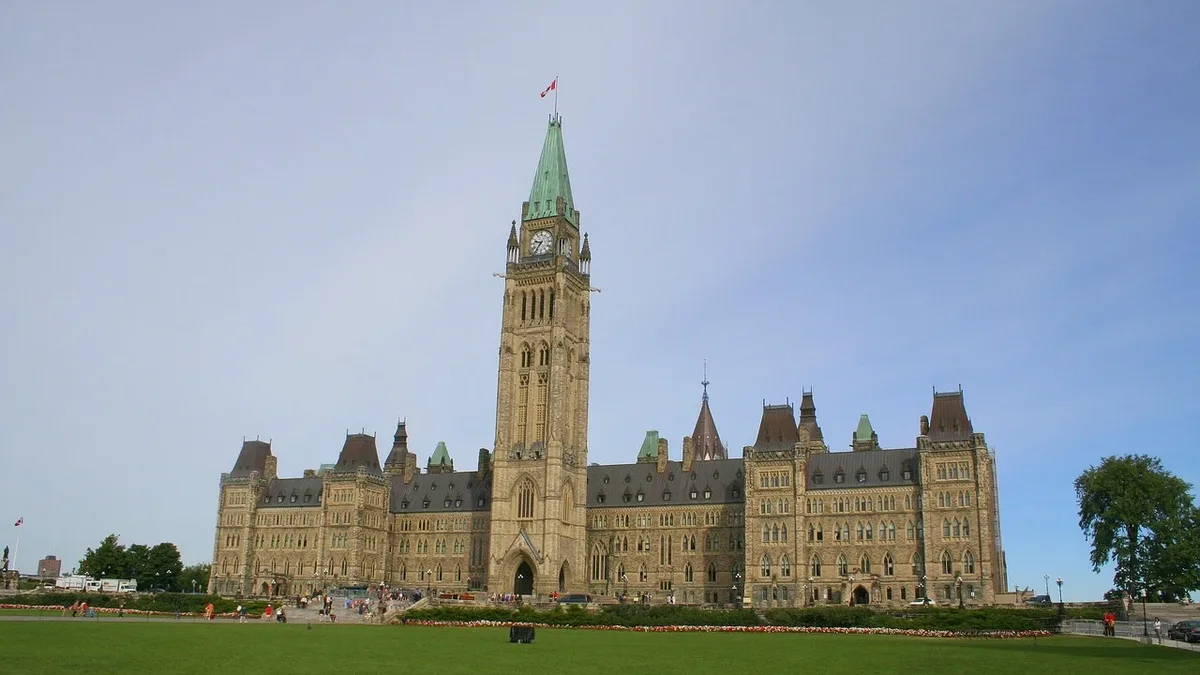
Choosing the wrong Canadian ancestor could add years to a citizenship application. Immigration, Refugees and Citizenship Canada (IRCC) now processes proof of citizenship applications in close to three years, and a refusal sends an applicant back to the end of that queue.
Applicants must ask IRCC to confirm a legal status they may already hold. If a person has a Canadian ancestor in their direct line and was born before December 15, 2025, Canadian law may already consider them a citizen. The application seeks a citizenship certificate as proof. An IRCC officer reviews submitted documentation and decides if the claim is legitimate on the balance of probabilities.
Documentation is everything
The officer's decision relies entirely on the documents provided. IRCC requires authentic, reliable, and verifiable documents for every generation in the claimed line. These must be issued by the original authority that created or keeps the record, such as a civil registry. Applications cannot be supported solely by third-party records.
This makes the choice of ancestral line critical. A shorter line with harder-to-obtain documents is often worse than a longer line with clear, accessible records.
Comparing two potential claims
The source illustrates the dilemma with a hypothetical applicant. One option is a maternal grandmother born in Quebec in 1931. The other is a paternal great-grandfather born in Ontario in 1901.
| Ancestor | Location & Year of Birth | Documents Required | Key Challenges |
|---|---|---|---|
| Grandmother (Marie-Louise) | Trois-Rivières, Quebec, 1931 | 3 birth certificates | Quebec won't accept pre-1994 certificates; need a reissued one. Name changed from Laforêt to Forrest, requiring a bridging document. High demand at archives. |
| Great-Grandfather (James) | Peterborough, Ontario, 1901 | 4 birth certificates | No name changes. Ontario and Ohio authorities hold and will issue all required long-form certificates. |
Despite requiring one fewer document, the grandmother claim faces significant hurdles. Quebec does not accept its own birth or marriage certificates issued before January 1, 1994. Applicants must get a reissued certificate from the Directeur de l'état civil du Québec or a certified copy from Bibliothèque et Archives nationales du Québec (BAnQ). Demand at BAnQ for certified copies jumped more than thirtyfold in one year. The name change also requires an official document linking both names.
The great-grandfather claim, while longer, involves straightforward records from Ontario and Ohio with no name discrepancies. This creates a stronger, less questionable file for an IRCC officer.
Why evidence rules tightened
IRCC clarified its evidence requirements after a review. In early June 2026, a routine review found roughly 100 citizenship certificates that appeared to have been issued without sufficient evidence. The Registrar of Canadian Citizenship asked holders to return the certificates. IRCC then widened its review to about 6,500 files, ending it on June 30.
The department stated its guidance had been unclear for both officers and applicants about acceptable documentation. Some approved files had relied on open genealogy databases instead of certified records. IRCC has since rewritten its guidance and updated application forms and guides. Eligibility rules did not change, but evidence requirements did.
How to choose your line
Applicants should assess each potential ancestral line with four questions. First, identify which province registered the ancestor's birth and confirm it will still issue the record. Second, name the original authority for every birth certificate between that ancestor and yourself. Third, pinpoint where names stop matching and identify which document explains the gap. Fourth, for any unobtainable record, demonstrate to IRCC in writing what attempts were made to get it.
The line that best survives these questions is the one to claim. It might be the longer one. Descent rules before February 15, 1977, treated mothers and fathers differently, and some ancestors lost Canadian status. IRCC's list of accepted documents still refers to British subject status before 1947. These complexities may require legal advice.
Processing times mean a refusal is costly. Applicants are sent back with the same documents that failed the first time, facing another multi-year wait.