Supreme Court Allows SAVE Database for Voter Citizenship
The Supreme Court's 6-3 ruling revives the Trump administration's expanded SAVE database for targeted voter citizenship verification, overturning a lower
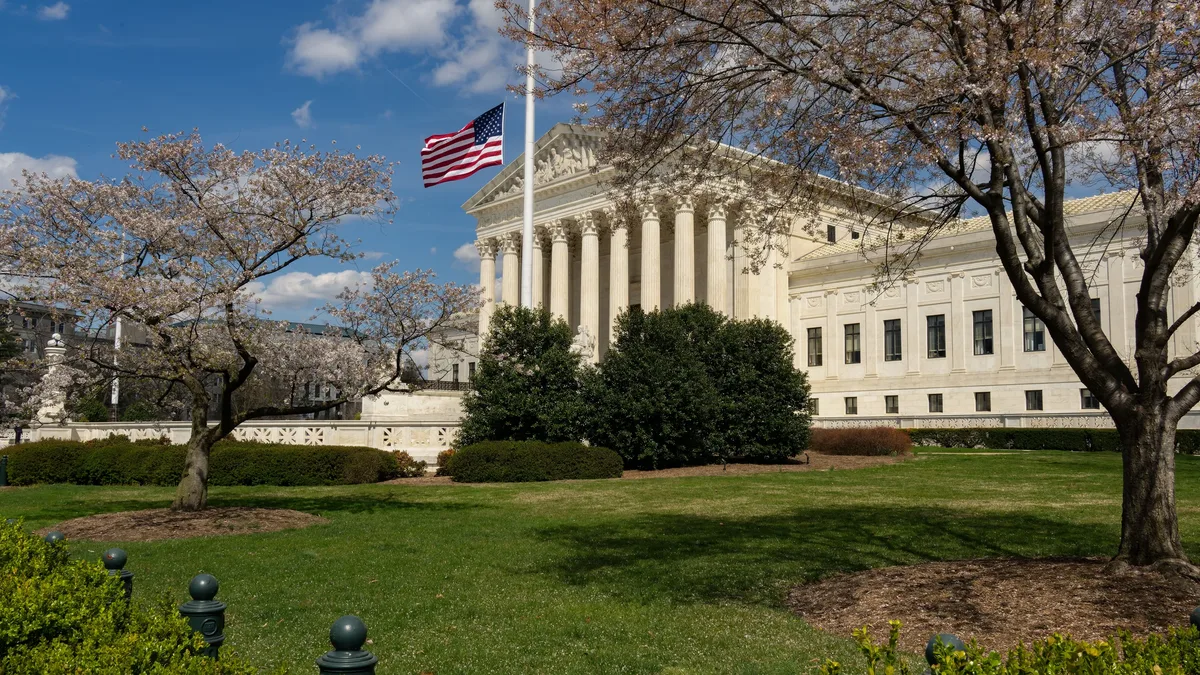
The Supreme Court on September 25, 2026, ruled 6-3 to allow the Trump administration to use the expanded SAVE database for individualized voter citizenship checks. The unsigned emergency order restored access to the system while litigation continues, overturning a lower-court injunction.
Solicitor General John Sauer had argued the injunction would irreparably harm the government, states, and the public by removing an effective tool for verifying voter eligibility. The court's GOP-appointed majority granted the administration's emergency request, concluding it would suffer irreparable harm otherwise. The ruling permits the Department of Homeland Security to use the Systematic Alien Verification for Entitlements (SAVE) system to respond to state verification requests.
Lower court blocked 2025 SAVE overhaul on privacy grounds
U.S. District Judge Sparkle L. Sooknanan blocked the Department of Homeland Security’s 2025 SAVE overhaul on June 22, 2026. She ruled the government knowingly violated privacy rights by unlawfully disclosing Social Security numbers and related records.
The modified database was overhauled in 2025 to include natural-born citizens' records, access Social Security data, and allow bulk searches. The administration expanded SAVE via a March 2025 executive order requiring agencies to ensure only U.S. Citizens vote. The League of Women Voters and the Electronic Privacy Information Center challenged the overhaul, leading to the June ruling in their favor. A divided federal appellate panel later rejected the administration's appeal.
Justices split on impact to lawful voters and government harm
The court divided on ideological lines. The conservative majority argued the district court's order hindered the government's ability to assist state and local election officials ahead of the midterms.
Justice Ketanji Brown Jackson dissented, joined by Justices Sonia Sotomayor and Elena Kagan. They stated the majority ignored harms to lawful voters and focused on nonexistent government harms. Jackson wrote that the harm to lawful voters outweighs the government's claimed harm from being prevented from acting. The liberal justices argued the ruling would have minimal short-term impact.
Legal and political context of SAVE database use
The SAVE program was established by Congress in 1986 for immigration status verification during benefit applications. The 2025 expansion added Social Security Administration data, enabling searches using Social Security numbers.
The Supreme Court noted federal law requires the government to respond to state requests for citizenship information. The ruling allows states to use the expanded records for targeted verification requests but not for an across-the-board review. The National Voter Registration Act's 90-day prohibition on purging voter rolls remains in effect for the November 2026 election, limiting broad purges.
Critics warn the database is unreliable and could lead to U.S. Citizens, particularly naturalized citizens, being wrongly removed from voter rolls due to data errors. Noncitizen voting is extremely rare, and audits of voter rolls confirm its rarity. Despite database use, only three people have been charged with voting illegally as noncitizens. Texas processed its full voter rolls, over 18 million registrations, through the expanded system last year.
The administration claims the system can process more than 1 million requests per day. Conservative groups, including the Honest Elections Project, welcomed the decision as making it easier for states to access federal citizenship data. The case now returns to the D.C. Circuit Court of Appeals for further proceedings.