U.S. Reinstates Wrongful Detention Warning for China Travel
The U.S. State Department restored its 'D' risk indicator for wrongful detention to its China travel advisory on October 19, 2026, citing arbitrary enforcement of laws and exit bans, while maintaining the overall Level 2 'Exercise Increased Caution' rating.
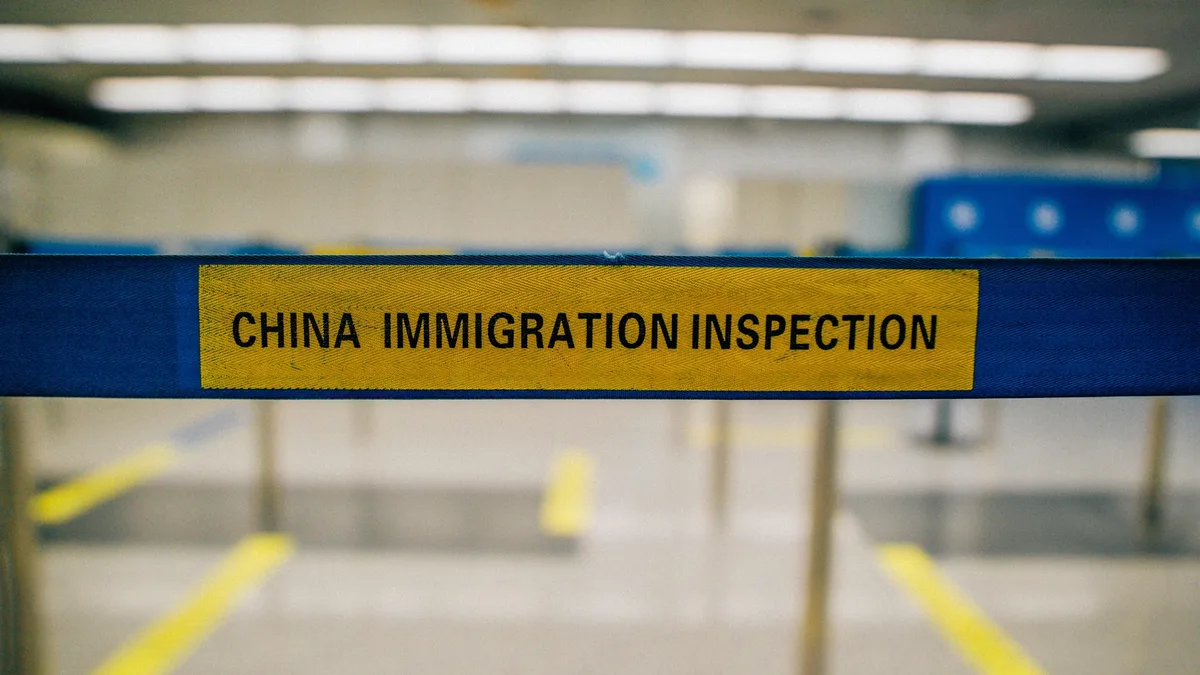
The U.S. State Department updated its travel advisory for China on October 19, 2026, reinstating a specific warning for wrongful detention. The move adds a 'D' risk indicator to the existing Level 2 advisory, which advises travelers to 'Exercise Increased Caution.' The update highlights risks of arbitrary arrest and detention by Chinese authorities.
Two Americans are formally designated as wrongfully detained. Chen Youlin, a Chinese American seismologist, was arrested in November 2024. Min Zin, a Myanmar-born scholar and U.S. citizen, was detained in June 2026. Chinese authorities accuse both men of spying, allegations Beijing says are handled lawfully. The advisory warns that U.S. citizens of Chinese heritage, people in commercial disputes, and those with ties to U.S. military, intelligence, or law enforcement face raised risk.
Exit bans are a key concern. Travelers may discover they are barred from leaving only when they reach the airport. The advisory states there may be no way to challenge such a ban in court, and it can prevent access to medical care. Chinese security services can read emails, texts, and social media sent to or from China, and private messages deemed critical have led to detention.
Context on Wrongful Detention Marker
The 'D' indicator, created in July 2022, signals detention by a foreign government often for political leverage. It differs from warnings for kidnapping by non-state actors. The State Department spokesman explained the distinction: "the D label points to one specific danger, while the advisory level reflects a wider view of safety and security." As of October 23, 2026, seven countries carried this marker.
| Country | Advisory Level | Wrongful Detention ('D') Indicator |
|---|---|---|
| China | Level 2: Exercise Increased Caution | Yes |
| Russia | Level 4: Do Not Travel | Yes |
| Eritrea | Level 2: Exercise Increased Caution | Yes |
| Afghanistan | Not Specified | Yes |
| Iran | Not Specified | Yes |
| North Korea | Not Specified | Yes |
| Nicaragua | Not Specified | Yes |
Recent Developments and Reactions
The reinstatement reverses a decision from November 27, 2024, when the marker was removed after a prisoner swap freed three Americans. A bipartisan group of U.S. senators pushed for its return in September 2026, citing the ongoing cases. China's embassy called the advisory inaccurate and demanded its withdrawal, saying it discredits China and disrupts exchanges.
New Chinese exit-and-entry rules, effective September 15, 2026, provide context. They allow authorities to bar citizens from leaving for six months to three years for acts abroad deemed harmful to national security. Foreign nationals can be denied entry for one to five years for false visa statements. A Taiwanese official said the rules "legalise" previously informal border-control practices and expand enforcement discretion, particularly regarding technology exports.
Mitigation and Recommendations
The advisory identifies additional risks in Xinjiang and Tibetan areas, including extra security and limited consular help. It points to broad national security and counterespionage laws that could criminalize normal behavior. The State Department recommends travelers enroll in the Smart Traveler Enrollment Program (STEP) for emergency alerts. It also advises setting a regular check-in plan with family to raise an alarm if communication stops unexpectedly.