US Citizenship Backlog Threatens Voting Rights for Indian Immigrants
The U.S. citizenship backlog swelled to 813,453 cases in August 2026, with approvals falling for three straight months, raising concerns that Indian immigrants and other green-card holders may miss voting in the midterm elections.
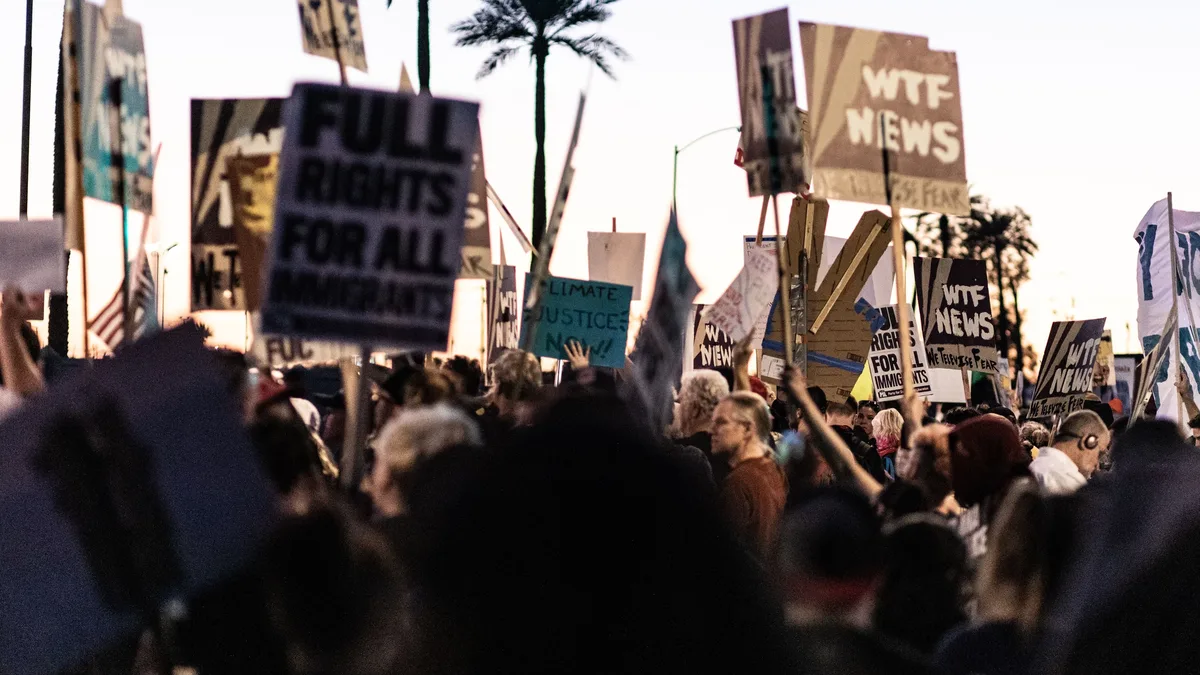
The backlog for U.S. citizenship reached 813,453 pending applications in August 2026. Approvals are declining while wait times grow, threatening to block thousands of potential new voters from participating in the upcoming midterm elections. The U.S. Citizenship and Immigration Services approved just 15,349 naturalization applications that month, down from 16,514 in July and 18,439 in June. Over half a million cases-513,462-had been waiting for more than six months, with the average processing time stretching to 12.7 months. The agency received 54,492 new applications in August alone, more than three times the number it finalized.
Impact on Indian Immigrants
Indian immigrants are disproportionately affected by the growing delays. India was the second-largest country of birth for new U.S. citizens in fiscal year 2024, with approximately 49,700 India-born individuals naturalized. They represented 6.1 percent of all new citizens that year. Lawful permanent residents, including many Indian professionals, generally become eligible to apply for citizenship after five years. The waiting period is three years for those married to a U.S. citizen. The Trump administration's suspension of the PERM labor certification process has created additional hurdles for Indian professionals relying on employment-based green card routes, which precede naturalization.
Political Response
Congresswoman Pramila Jayapal, a Washington state Democrat and naturalized citizen born in Chennai, has criticized the slowdown. She serves as the ranking member of the House Judiciary Subcommittee on Immigration Integrity, Security and Enforcement. Jayapal blamed the Trump administration for "blocking off people who… are green card holders… waiting for their citizenship approval." She cited analysis indicating the delays could leave some applicants unable to vote in November’s midterm elections. Green-card holders cannot vote in federal elections, and pending applicants cannot vote until they are naturalized and registered before state deadlines.
The Naturalization Process and Legal Challenges
To naturalize, applicants must demonstrate English proficiency, pass a civics test, and complete an interview. Immigration lawyers advise submitting complete forms, providing accurate information, and keeping home addresses current with USCIS to avoid preventable delays. The benefits of citizenship are significant. Naturalized citizens can vote in federal elections, sponsor certain relatives for immigration, and travel on a U.S. passport. Some applicants are turning to the courts due to extended waits. Meng Ju Liu, a Taiwanese national and lawful permanent resident since 2002, sued federal officials in the U.S. District Court for the Southern District of Ohio on October 15, 2026. He had waited around 18 months for an interview after applying in April 2025. His complaint notes a 9.5-month USCIS processing time for 80 percent of N-400 cases in Cincinnati and asks the court to compel action on his case.
A Growing Queue
The backlog has increased steadily for months. It rose from 744,412 applications in June to 778,489 in July before hitting 813,453 in August. Approvals fell about 17 percent from June to August. USCIS has given no specific explanation for the drop. The agency has also proposed a fee increase that would remove reduced fees for lower-income applicants and end fee waivers for naturalization applications and related appeals. Statutory exemptions for qualifying current and former military service members would remain. With the November elections approaching, the growing citizenship backlog may prevent a substantial number of eligible applicants from completing the process and registering to vote in time.