Rural Immigration Pilot Becomes Permanent Program
Canada's Rural Community Immigration Pilot will transition to a permanent program on November 9, 2025, with the new permanent pathway opening on January 1, 2027. The program allocates 5,500 permanent resident admissions for 2027 to address labour shortages in 14 participating rural communities.
The Rural Community Immigration Pilot will become a permanent program on November 9, 2025. Minister of Immigration, Refugees and Citizenship Lena Metlege Diab announced the transition, which creates a lasting pathway to address labour shortages in small communities. The permanent Rural Community Immigration Program officially opens for new community recommendations on January 1, 2027.
Lena Metlege Diab said: "I am pleased to announce the transition of the Rural Community Immigration Pilot into a permanent program that will support our rural communities' labour needs." The pilot, launched in January 2025, has already admitted more than 1,500 newcomers, including family members. Its predecessor, the Rural and Northern Immigration Pilot, welcomed over 12,000 newcomers and supported close to 3,000 employers between 2019 and 2024.
Program Scope and Communities
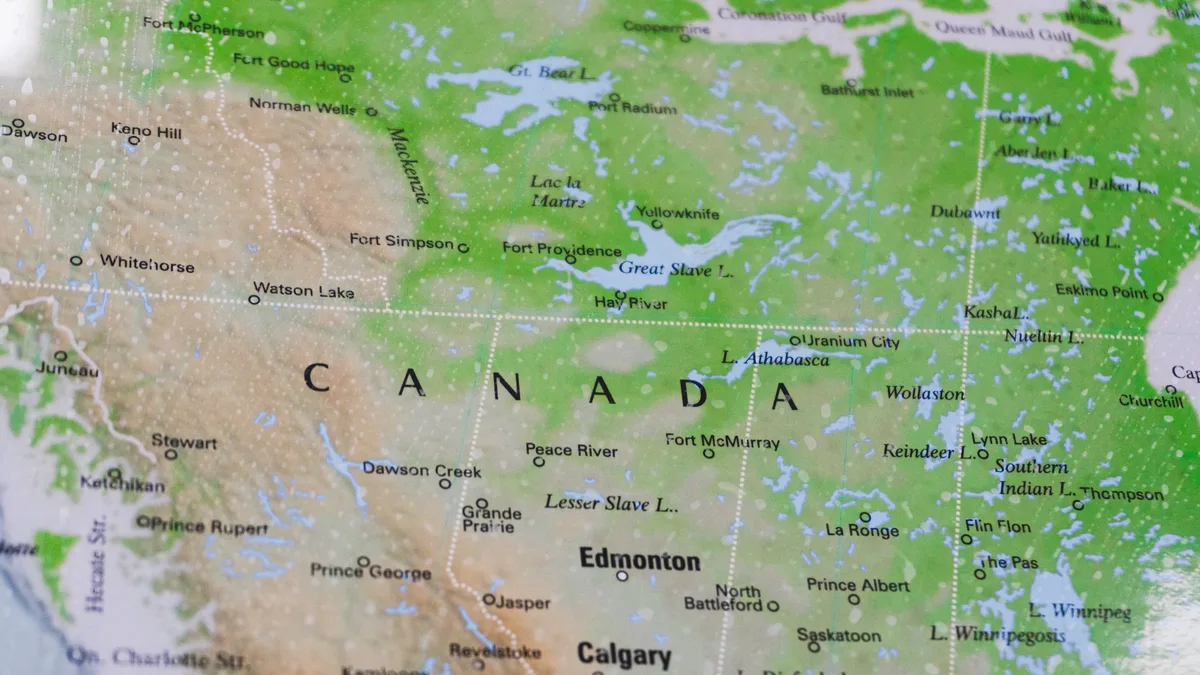
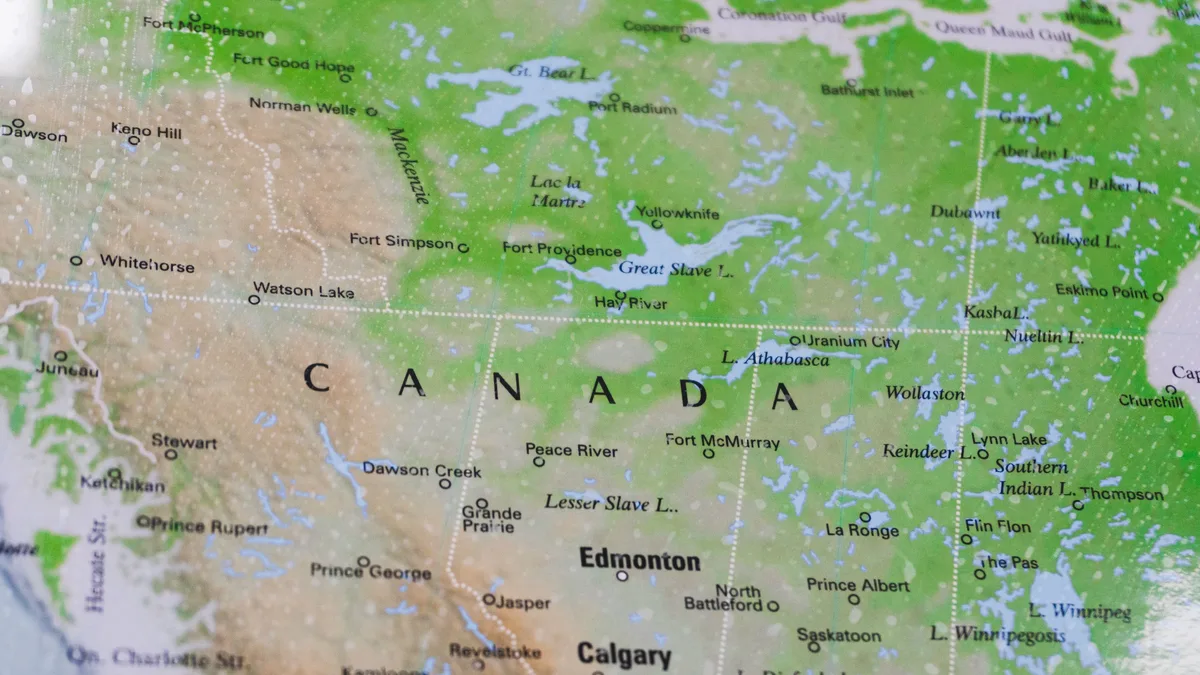
The permanent program will continue with the 14 communities that participated in the pilot, with plans for future expansion. These communities are spread across six provinces. The federal government defines an eligible rural community as a place with a population under 200,000 or one that scores 0.20 or higher on Statistics Canada’s Index of Remoteness.
The 2027-2029 Immigration Levels Plan includes a separate admissions category for this program within Canada’s overall target of 380,000 annual permanent resident admissions. For 2027, the program is allocated 5,500 permanent resident admission spaces.
Employer and Job Requirements
Employer engagement has been significant. Between January 2025 and August 2026, more than 1,950 designated employers in participating communities issued over 4,700 job offers. More than 2,400 employers have been approved to participate in the program overall. Employers are vetted and designated by the local communities to ensure job offers align with community priorities.
Participating employers must demonstrate they have jobs they cannot fill locally. They must also provide training and support to newcomers. The program mandates employer training and includes robust monitoring and reporting to ensure integrity. This employer-community partnership model continues from the pilot, with communities setting local priorities for sectors and occupations based on labour market needs.
Eligibility and Pathway
The program provides a pathway to permanent residence for skilled workers and international graduates in priority sectors. Eligibility requires several components. Applicants must obtain a community recommendation certificate and have a valid job offer from a designated employer. They need at least one year, or 1,560 hours, of related work experience within the past three years.
Other requirements include language test results, a Canadian educational credential or its foreign equivalent, and proof of settlement funds where required. Applicants already working in Canada with a valid work permit are exempt from showing proof of settlement funds. Applicants may qualify for a work permit while their permanent residence application is processed. Their spouses or common-law partners can apply for an open work permit valid for two years, though it is restricted to the same community as the principal applicant.
Implementation and Processing
The pilot officially closes on January 1, 2027. Candidates with pilot recommendations dated December 31, 2026, or earlier must apply before their recommendation expires. Immigration, Refugees and Citizenship Canada will continue processing applications it has already received after the pilot closes. Ministerial instructions for the pilot remain in force until June 30, 2027, to accommodate candidates with valid pilot recommendations.
The regulatory foundation was published in the Canada Gazette on November 4, 2026, establishing the rural community immigration class. Under the permanent program, communities will begin issuing new recommendations from January 1, 2027. Applications will then be processed by federal immigration authorities.