Canada's Top Cities Lead in Quality of Life, Lag in Economics
The 2026 Global Cities Index ranks Canadian cities highly for human capital and quality of life but shows they trail U.S. peers in economic resilience due to trade tensions and slower immigration growth.
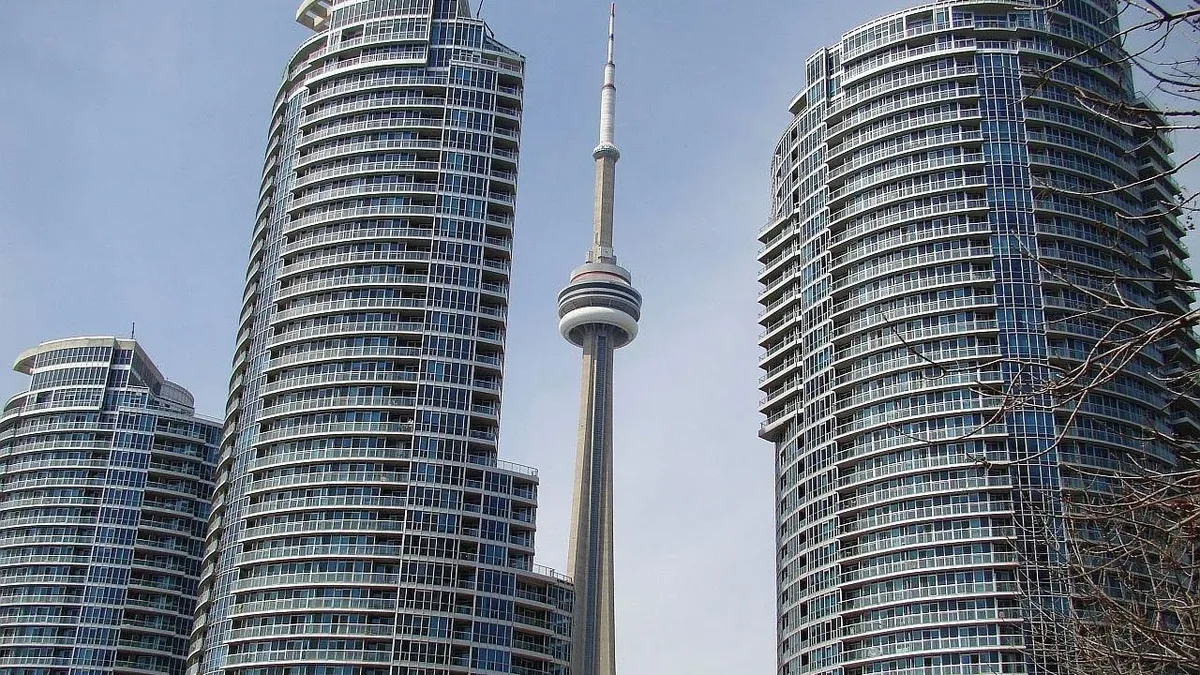
Canadian cities outperform their U.S. counterparts in human capital, governance, and quality of life, according to the 2026 Global Cities Index released on November 10. The analysis by Oxford Economics ranks Toronto, Vancouver, and Montreal as Canada's top three cities, though all lag behind in economic metrics amid trade uncertainty and moderated immigration targets.
Four Canadian cities placed in the global top 100. The ranking evaluates Functional Urban Areas-urban cores plus commuting zones-across five weighted categories. Toronto leads at 20th globally, serving as the national hub for business and finance. Vancouver follows at 24th, and Montreal places 62nd. Calgary and Ottawa-Gatineau round out the top five nationally.
| City | National Rank | Global Rank |
|---|---|---|
| Toronto | 1 | 20 |
| Vancouver | 2 | 24 |
| Montreal | 3 | 62 |
| Calgary | 4 | 69 |
| Ottawa-Gatineau | 5 | 104 |
| Edmonton | 6 | Not in global top 100 |
| Kitchener-Cambridge-Waterloo | 7 | Not in global top 100 |
| Halifax | 8 | Not in global top 100 |
| Quebec City | 9 | Not in global top 100 |
| Winnipeg | 10 | Not in global top 100 |
| Hamilton | 11 | Not in global top 100 |
The scoring is based on a weighted average of five categories. Economics carries the heaviest weight, followed by Human Capital and Quality of Life.
| Category | Weight |
|---|---|
| Economics | 30% |
| Human Capital | 25% |
| Quality of Life | 25% |
| Environment | 10% |
| Governance | 10% |
Economic challenges and trade war impact city competitiveness
Canadian cities trail U.S. peers in economic resilience. Trade tensions and uncertainty from USMCA renegotiations have stymied business investment. Manufacturing centers like Toronto, Montreal, and Hamilton have been hit hard by higher input costs and trade barriers. Hamilton's overall ranking is now comparable to U.S. industrial cities like Detroit and Pittsburgh.
Immigration policy is a factor. Lower federal immigration targets announced in 2025 have slowed Toronto's growth pace compared to the 2022-2024 period. Most Canadian cities are forecast to grow slower than U.S. cities over the next five years. Exceptions are Edmonton and Calgary, which have been largely spared from trade war impacts as Canadian oil exports target non-U.S. markets via the Trans Mountain Pipeline and Vancouver shipping.
Regional economic divergence across Canadian cities
Western cities show stronger momentum. Calgary leads the country in population growth, fueled by high incomes and access to natural amenities. Edmonton is designated a 'City to Watch'. Its strong GDP, employment, and population growth are driven by oil refining and self-reinforcing economic development. Disposable incomes there are set to rise at one of the fastest rates in Canada, boosting consumer spending. House prices in Edmonton remain relatively affordable.
In contrast, residents of Toronto and Vancouver typically spend a larger portion of income on housing than in nearly every other city globally. These high costs have pulled down Quality of Life scores for several Canadian cities. The analysis concludes with Edmonton's oil-driven economic development momentum highlighting the regional split.