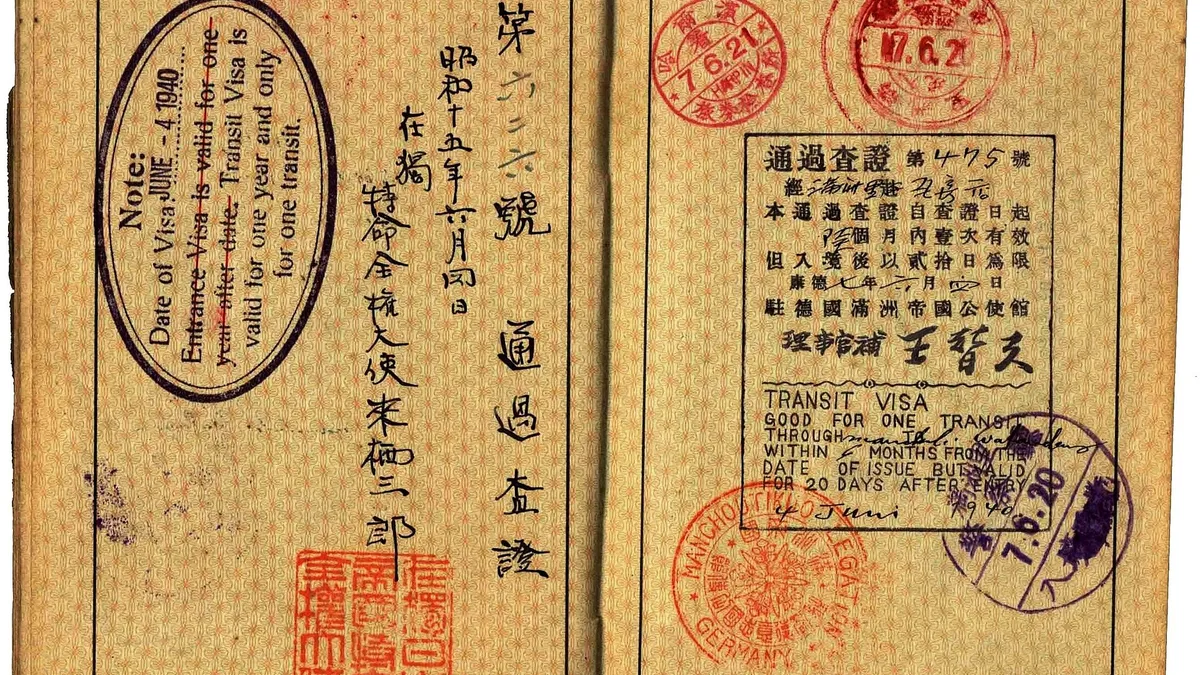
U Visa
| V.S. category | Nonimmigrant visa |
|---|---|
| Country of origin | United States |
| First created | 2000 |
| Original use | Provide temporary legal status to victims of certain crimes who assist law enforcement |
| Annual cap | 10,000 principal applicants |
| Eligibility prerequisite | Certification from law enforcement agency |
| Path to permanent residence | Eligible after three years in U visa status |
Origin and history
The U nonimmigrant visa, commonly called the U Visa, originated in the United States. It was created by the United States Congress through the Victims of Trafficking and Violence Protection Act. This legislation was passed in the year 2000, establishing the visa category in the early 21st century. The primary legislative intent was to strengthen the ability of law enforcement agencies to investigate and prosecute serious crimes while offering protection to victims. Congress recognized that many immigrant victims of crime were reluctant to report their victimization or cooperate with authorities due to fear of deportation. The U Visa was designed as a tool to encourage cooperation by providing victims with a temporary legal status and a potential path to permanent residency. Its creation reflected a significant policy shift towards viewing certain crime victims as resources for public safety rather than solely as subjects for immigration enforcement.
What it is for
The U Visa is specifically for non-citizen victims of certain qualifying crimes who have suffered substantial mental or physical abuse as a result of that victimization. Its core purpose is to facilitate the investigation or prosecution of criminal activity by providing victims with temporary immigration benefits. To this end, the visa requires that the victim has been, is being, or is likely to be helpful to law enforcement or government officials in the related case. The list of qualifying criminal activities includes, but is not limited to, rape, torture, trafficking, incest, domestic violence, sexual assault, abusive sexual contact, prostitution, kidnapping, blackmail, extortion, manslaughter, murder, and felonious assault. It is not a general humanitarian visa but is narrowly tailored for victims who assist authorities. The visa allows recipients to live and work legally in the United States for up to four years while the underlying criminal case is addressed.
How to renew U Visa
The U Visa itself is granted for a period of four years and is generally not subject to renewal in a traditional sense. If a U Visa holder needs to travel outside the United States after the initial visa sticker in their passport has expired, they must apply for a new U Visa stamp at a U.S. consulate abroad before returning. The more critical process is adjusting status after three years of continuous physical presence in the U.S. while holding U-1 nonimmigrant status. To pursue permanent residency, a holder must file Form I-485, Application to Register Permanent Residence or Adjust Status, and demonstrate they have not refused to assist law enforcement. This adjustment application can be filed even if the initial four-year visa period has expired, provided the applicant continues to meet eligibility requirements. It is crucial to maintain eligibility and lawful status throughout the period leading to the adjustment application. Legal consultation is strongly advised due to the complexity of maintaining and transitioning from U nonimmigrant status.
U Visa requirements
Eligibility for a U Visa requires an applicant to meet several specific statutory criteria established by U.S. immigration law. The applicant must demonstrate they are a victim of a qualifying criminal activity that violated U.S. law or occurred within the United States or its territories and possessions. They must have suffered substantial physical or mental abuse as a direct result of that criminal activity. A critical requirement is obtaining a certification from a qualifying law enforcement agency, prosecutor, judge, or other designated authority on Form I-918, Supplement B. This certification confirms the applicant has been, is being, or is likely to be helpful in the investigation or prosecution of the crime. The applicant must also be admissible to the United States or obtain a waiver for any grounds of inadmissibility. Furthermore, the crime must have occurred in the United States or violated U.S. law, and the applicant must possess information about the criminal activity.
U Visa processing time
Processing times for a U Visa application are notably lengthy and can span several years due to high demand and a statutory cap. United States Citizenship and Immigration Services (USCIS) is limited by law to granting 10,000 U Visas per fiscal year. Once this cap is reached, eligible applicants are placed on a waiting list and receive deferred action and work authorization while awaiting their visa number to become available. Current processing times for the initial Form I-918 petition can extend beyond five years from the date of filing. Applicants placed on the waiting list receive a notice from USCIS and are granted prima facie eligibility for certain benefits. The processing time for the subsequent adjustment of status to lawful permanent resident after the three-year waiting period also involves separate adjudication timelines. These extensive delays are a defining characteristic of the U Visa process and require applicants to plan for a multi-year immigration journey.
Pros and cons
A significant pro of the U Visa is that it provides lawful status and work authorization to individuals who are often extremely vulnerable and might otherwise remain in the shadows without legal recourse. It offers a direct path to lawful permanent residence, and eventually U.S. citizenship, for those who qualify and adjust status. The process also allows for the inclusion of certain qualifying family members, such as spouses, children, and in some cases parents or siblings, as derivative beneficiaries. A major con is the protracted processing timeline, which leaves applicants in a prolonged state of uncertainty despite having work authorization. The requirement to cooperate with law enforcement can be retraumatizing for victims and may pose genuine safety risks if perpetrators or their associates remain a threat. A common mistake is failing to properly maintain eligibility during the years-long wait, such as by accruing certain criminal charges, which can lead to denial at the adjustment stage. Some applicants regret the process due to the emotional burden of repeatedly revisiting their trauma throughout the lengthy legal proceedings.
Who it suits
This visa suits non-citizens who have been victims of serious crimes in the United States and have already chosen, or are willing and able, to assist law enforcement in its investigation or prosecution. It is particularly suited for individuals who lack any other viable path to legal immigration status and for whom returning to their home country could pose a danger. The visa suits those who have the psychological and emotional capacity to engage with the criminal justice system over a period of many years, given the cooperation requirement and lengthy processing. It is also a potential option for victims who have derivative family members, such as minor children, who would also benefit from obtaining legal status. It is less suited for individuals seeking a quick resolution to their immigration status or for those who are unable to secure the necessary law enforcement certification due to the specifics of their case. Ultimately, it is a specialized humanitarian provision designed for a specific intersection of crime victimization and immigration need.
Latest U Visa news
Latest reporting

Carney Signals Controlled Immigration Increase Ahead
Prime Minister Mark Carney says Canada's immigration system is back under control. The announcement drew immediate criticism from the opposition over...
US October 2026 Visa Bulletin: China Advances, EB-2 and EB-3
The October 2026 Visa Bulletin opens fiscal year 2027 with major advancements for China in EB-1, EB-2, and EB-3 categories, while EB-2 and EB-3 dates

Tanzania removes Nigeria from referral visa list September
Tanzania's Immigration Services Department has removed Nigerian nationals from its 'referred visa' category, effective September 25, 2026.

London Tribunal Awards £28,123 in Visa Sponsorship Abuse
An employment tribunal awarded a care worker £28,123 after finding his sponsor, Metropolitan Care Services, submitted false documents about his hours...

Federal Court Sanctions IRCC Over Repeated Visa Refusals
A Federal Court judge has sanctioned Immigration, Refugees and Citizenship Canada for repeatedly refusing a couple's visitor visa applications on...

Labor to cut net migration to 225,000 with visa restrictions
Home Affairs Minister Tony Burke will announce a plan to reduce net overseas migration from about 300,000 to 225,000 annually.