Nebraska Service Center
| Visa category | EB-3 (Other Workers) |
|---|---|
| Queue behind it | EB-2 (Professionals with Advanced Degrees) |
| Policy change that moved it | FY 2020 Visa Bulletin final action date shift |
| Processing center | U.S. Citizenship and Immigration Services (USCIS) |
| Original use | Adjudication of certain employment-based immigration petitions |
| Country of origin | United States |
| First created | 1990s (decade precision) |
Origin and history
The Nebraska Service Center (NSC) is one of several domestic offices within the United States Citizenship and Immigration Services (USCIS) agency. It was established as a permanent service center in the late 1990s, following a broader reorganization of the former Immigration and Naturalization Service (INS). Its creation was part of a national effort to decentralize and specialize the processing of immigration petitions and applications away from a single, overwhelmed central office. The center is physically located in Lincoln, Nebraska, and was part of a network that also included centers in Vermont, Texas, and California. The establishment of these centers aimed to improve efficiency by assigning specific, high-volume form types to each location. This geographic and functional distribution was intended to manage workloads more effectively and reduce backlogs across the immigration system.
What it is for
The Nebraska Service Center is responsible for adjudicating a specific subset of immigration petitions and applications filed with USCIS. Its jurisdiction is not defined by the applicant's geographic location but by the specific form type and visa category involved. Historically, the NSC has been a primary processor for employment-based immigrant visa petitions, notably Form I-140 for certain professional worker categories. It also handles a variety of other case types, including some family-based petitions, applications for adjustment of status, and humanitarian forms. The center's officers review submitted documentation for completeness, authenticity, and eligibility according to U.S. immigration law. Their adjudication results in an approval, denial, or a request for further evidence. This administrative function is a critical step in the lawful immigration process, determining whether a petitioner meets the criteria to proceed to the next stage, which may involve visa issuance or status change.
Pros and cons
A significant advantage of the Nebraska Service Center has been its specialized expertise in complex employment-based categories, which can lead to consistent adjudication patterns for experienced attorneys and petitioners. Its establishment helped distribute the massive workload of USCIS, preventing a single office from becoming a complete bottleneck. However, a major con is that its processing times have historically been subject to extreme fluctuations and often lengthy delays compared to other service centers. Petitioners have little to no control over which service center receives their filing, leading to perceptions of unfairness when one center processes cases faster than another. A common mistake is for filers to assume their case will be processed based on their physical location, not understanding the form-type jurisdiction. Individuals and employers often regret the lack of transparency and predictability in processing timelines, which can disrupt lives and business plans, with few avenues for inquiry beyond standard case status checks.
Who it suits
This structure suits the administrative needs of the U.S. federal government by allowing for centralized, specialized processing of specific immigration benefits. It is an inherent part of the system for any individual or employer whose petition form type falls under the Nebraska Service Center's jurisdiction, as they have no alternative filing location. The system theoretically suits high-volume, standardized case types that benefit from an assembly-line adjudication model handled by officers with specific training. It does not suit applicants requiring expedited or personalized consideration, as the center operates on a high-volume, queue-based model. The center's role is a mandatory step for those pursuing certain employment-based green card pathways, particularly those in professional categories requiring labor certification. Ultimately, the Nebraska Service Center is a component of a larger bureaucratic system, and "suitability" is not a matter of choice for the applicant but of structural design within USCIS.
Latest Nebraska Service Center news
Latest reporting
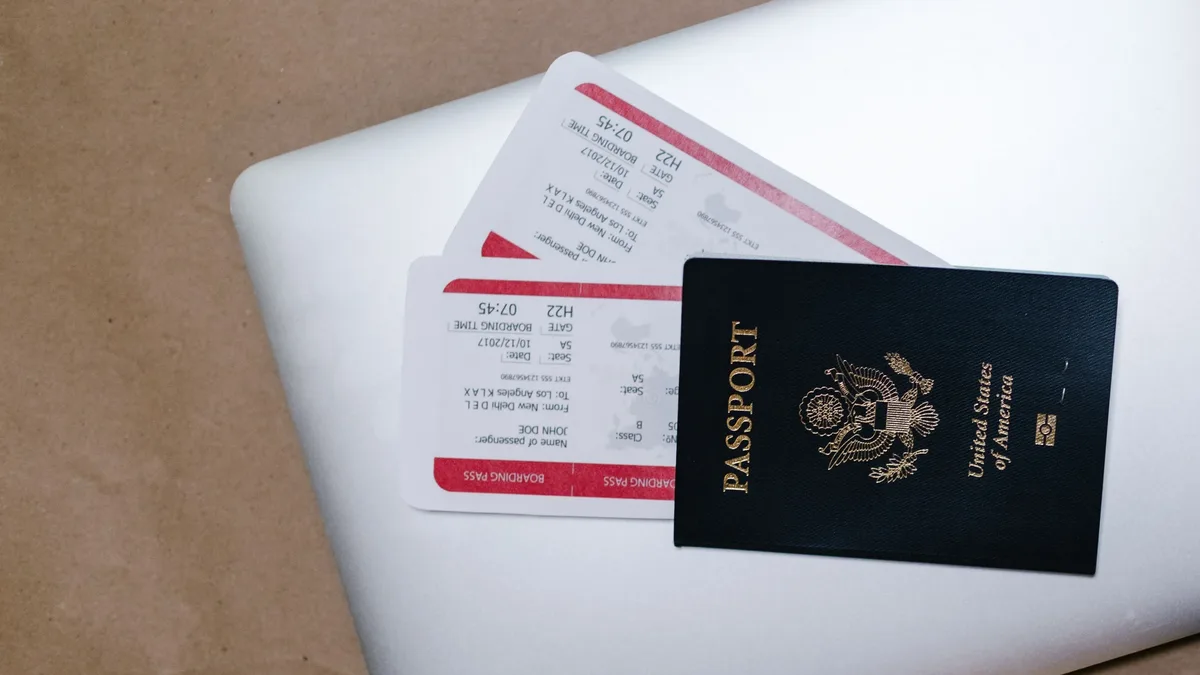
U.S. Preclearance Resumes for Some Abu Dhabi Flights
U.S. Immigration preclearance has resumed for some Etihad flights departing Abu Dhabi in September 2026, though airline customer service still lists...

USCIS Targets H-1B Wage Manipulation
USCIS identified H-1B wage manipulation cases in Vermont, Nebraska, and Florida, involving job misclassification and inflated experience requirements

USCIS Congressional Inquiry Limits Explained
A congressional inquiry can prompt USCIS to review a stalled immigration case but cannot force an approval. Applicants must first file a service...

TANF Indexation Methods Vary by State
A Niskanen Center report details how only ten states index Temporary Assistance for Needy Families benefits to inflation, with methods including...