Visa Bulletin Retrogression
| Visa Category | value |
|---|---|
| Priority Date Affected | value |
| Previous Bulletin Date | value |
| New Bulletin Date | value |
| Movement | value |
| Cause | value |
| Countries Affected | value |
| Where it Applies | value |
Overview
Visa bulletin retrogression is a procedural mechanism within the United States immigration system that causes visa availability to move backward. It occurs when the demand for visas in a particular category exceeds the statutory annual supply before the fiscal year ends. This process is formally announced by the U.S. Department of State through its monthly Visa Bulletin, which governs when applicants may apply for or receive an immigrant visa or adjustment of status. Retrogression most commonly impacts employment-based and family-sponsored preference categories, creating significant uncertainty for applicants. The phenomenon is a direct function of a fixed quota system interacting with variable applicant demand and per-country limits. When a priority date that was once "current" becomes unavailable, applicants must wait until it becomes current again in a future bulletin.
History
The policy framework enabling visa bulletin retrogression originates from the Immigration and Nationality Act (INA) of 1952 in the United States and its subsequent major amendments. The system of per-country limits and preference categories that creates the conditions for retrogression was largely solidified by the Immigration Act of 1990. The monthly Visa Bulletin itself has been published by the Department of State for decades to provide guidance on visa availability. The specific term "retrogression" entered common usage within immigration practice in the late 20th century as certain visa categories, particularly for nationals of countries with high demand like India and China, experienced consistent backlogs. The mechanism is not an error but an inherent feature of a system where annual visa allocations are capped by law. Its operational use is a direct administrative response to managing finite visa numbers against unpredictable application volumes.
How it works today
Each month, the Department of State's Visa Control Division analyzes pending application data from U.S. Citizenship and Immigration Services (USCIS) and demand from consular posts to project visa usage. They calculate whether demand in any category will exceed the annual limit before the fiscal year concludes on September 30. If oversubscription is projected, the Final Action Dates chart in the Visa Bulletin will retrogress, meaning a previously current priority date will move to an earlier date. Applicants with priority dates now earlier than the published date cannot proceed to the final step of their green card process. Retrogression can affect some countries within a category more severely than others due to the per-country caps. The dates may advance again in the new fiscal year when a fresh supply of visas becomes available on October 1, but this is not guaranteed.
Why it matters
Retrogression directly determines the timeline for hundreds of thousands of individuals and families seeking lawful permanent residence in the United States. It can extend a wait time by years, even after an applicant has already received preliminary approval. For employment-based applicants, it can bind them to a specific employer until their green card is finalized, limiting career mobility and creating vulnerability. The uncertainty of retrogression disrupts life planning, affecting decisions regarding home ownership, children's education, and retirement. From a national perspective, it impacts U.S. employers' ability to retain highly skilled talent in competitive global fields. The policy also creates administrative complexities for both government agencies and legal practitioners who must manage cases in a constantly shifting landscape.
Common misconceptions
A common misconception is that retrogression signifies a denial or rejection of an application, when it is merely a pause in the final processing stage. Another is that once a priority date becomes current, it will remain current, whereas the dates can move backward multiple times. Many applicants believe their individual filing date with USCIS influences retrogression, while it is actually an aggregate, category-wide calculation. There is also a mistaken belief that retrogression only affects the applicant, when it also impacts dependent spouses and children who may "age out" if the process is delayed too long. Some assume retrogression is a political decision made arbitrarily, rather than a mechanical administrative response to numerical limits set by Congress. Finally, people often conflate the Visa Bulletin's "Dates for Filing" chart, which may remain current, with the "Final Action Dates" chart, where retrogression actually occurs for final adjudication.
Latest Visa Bulletin Retrogression news
Latest reporting

Carney Signals Controlled Immigration Increase Ahead
Prime Minister Mark Carney says Canada's immigration system is back under control. The announcement drew immediate criticism from the opposition over...
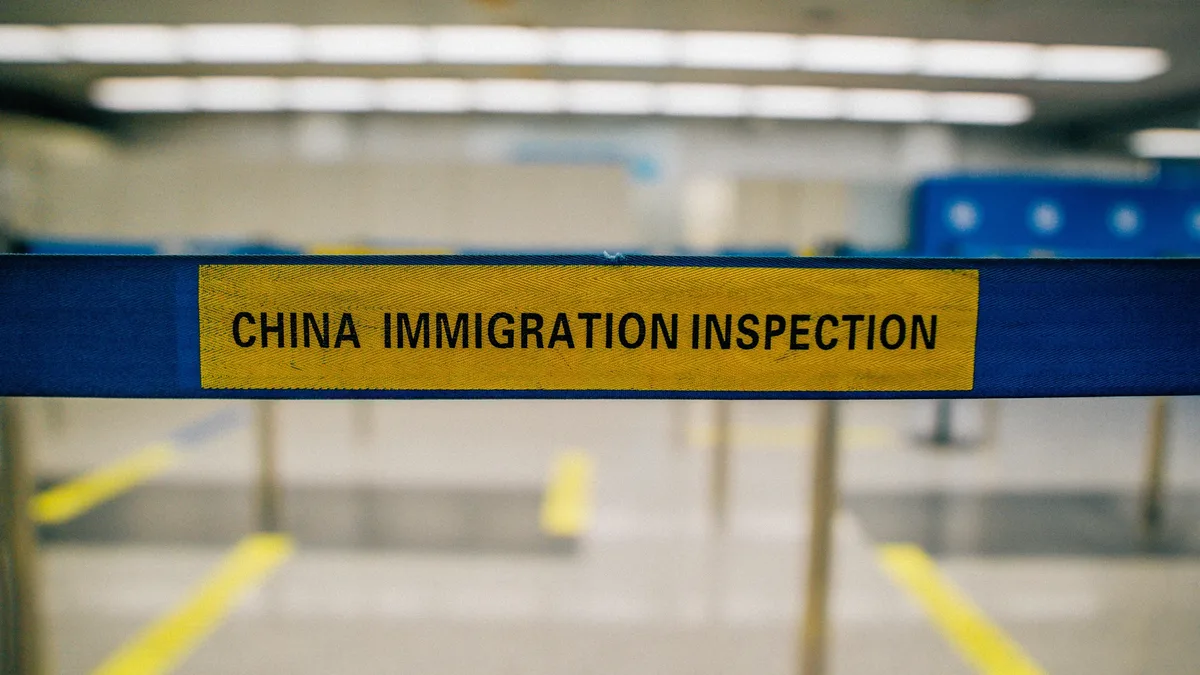
US October 2026 Visa Bulletin: China Advances, EB-2 and EB-3
The October 2026 Visa Bulletin opens fiscal year 2027 with major advancements for China in EB-1, EB-2, and EB-3 categories, while EB-2 and EB-3 dates

Tanzania removes Nigeria from referral visa list September
Tanzania's Immigration Services Department has removed Nigerian nationals from its 'referred visa' category, effective September 25, 2026.

London Tribunal Awards £28,123 in Visa Sponsorship Abuse
An employment tribunal awarded a care worker £28,123 after finding his sponsor, Metropolitan Care Services, submitted false documents about his hours...

Federal Court Sanctions IRCC Over Repeated Visa Refusals
A Federal Court judge has sanctioned Immigration, Refugees and Citizenship Canada for repeatedly refusing a couple's visitor visa applications on...

Labor to cut net migration to 225,000 with visa restrictions
Home Affairs Minister Tony Burke will announce a plan to reduce net overseas migration from about 300,000 to 225,000 annually.