Texas Construction Labor Shortage Worsens Amid Deportation
Builders in South Texas report construction sites emptying as fear of immigration enforcement causes worker shortages, project delays, and rising costs
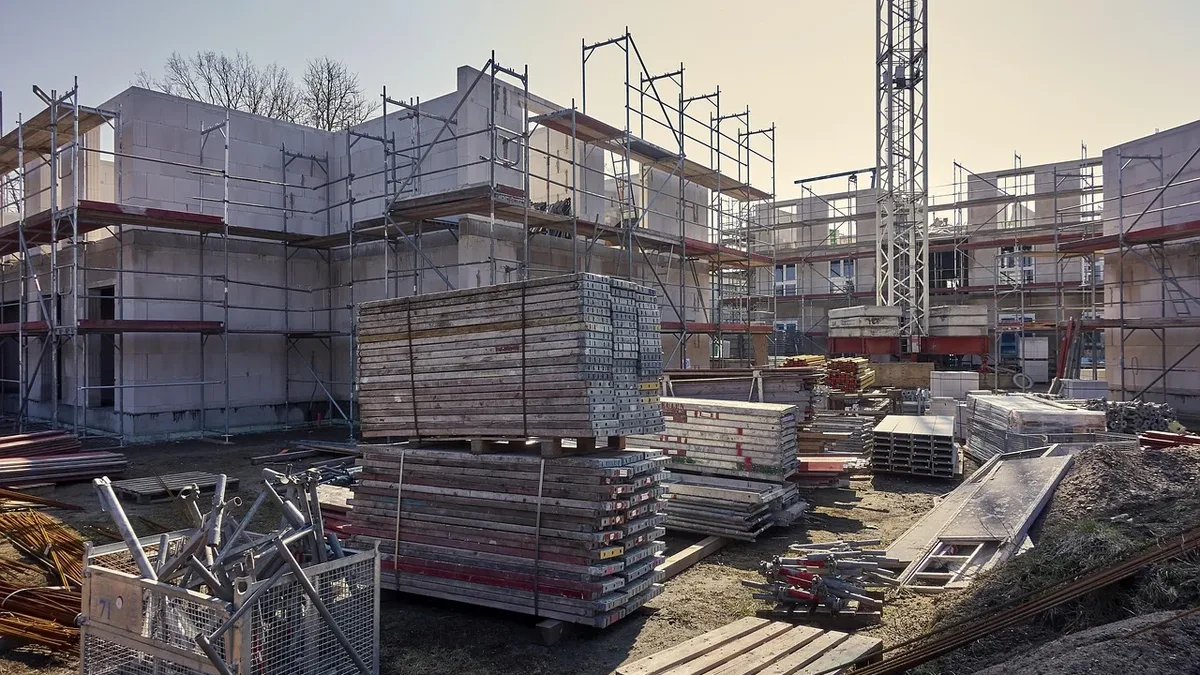
Builders in South Texas say fear of deportations has emptied construction sites and delayed housing projects. A report published on September 6, 2026, links the labor shortage to 11,220 ICE arrests in Texas during December 2025.
Johnny Vasquez of the Rio Grande Valley Builders Association described construction sites as "ghost towns" after enforcement activity intensified in June 2025. Contractors now face fewer workers, slower project starts, and more difficulty completing homes. The disruption extends beyond workers without legal status, as builders report some legally present employees are also avoiding job sites due to unpredictable enforcement.
Housing production is slowing and costs are rising. The labor problem predates the latest enforcement campaign. The September 2026 report stated the homebuilding labor shortage cost the sector $10.8 billion per year in 2024.
Enforcement Data Shows Sharp Rise in Arrests
The same report connected the recent pressure to a sharp rise in immigration arrests. Data from the Deportation Data Project showed ICE arrests in Texas climbing dramatically over one year.
| Period | ICE Arrests in Texas |
|---|---|
| December 2024 | 2,646 |
| December 2025 | 11,220 |
That increase has landed in a market already short of skilled labor. The report said shortages contributed to project delays, lower build quality, and an inability to meet North Texas housing demand.
Fear Keeps Workers Home
Builders describe fear, rather than deportation alone, as the immediate force changing attendance. Rumors of raids can keep workers home, contractors say, even when employees are not directly targeted.
Andy Garza, a sales consultant for a concrete company in Mission, expressed the concern in Spanish, which translates to "Leave construction workers alone. We need them." Residential construction feels the effect quickly because immigrants make up a large share of the workforce. A missing crew can stop several trades from moving through a project on schedule.
South Texas Impact Measured in Jobs and Arrests
Reports cited more than 9,100 ICE arrests in South Texas, with nearly one-fifth occurring in the Rio Grande Valley. Construction jobs in the region fell 5% in the third quarter of 2025, the largest quarterly decline recorded there.
The change also appeared in Laredo. Monthly ICE arrests rose from about six to 803 during the enforcement surge described in the reporting. Builders say the numbers have produced a chilling effect, with workers who once reported for daily shifts now waiting for information about enforcement activity.
The South Texas Builders Association has warned the pressure is producing worker shortages, construction delays, and problems finishing housing projects.
National Workforce Estimates Show Broader Strain
Industry figures warn of a significant worker shortfall in residential construction nationwide. The available figures point to several layers of strain.
| Source | Estimate |
|---|---|
| Industry representative Andy Tobin | 200,000 to 400,000 workers missing nationally |
| Scott Brannock, Northeast Florida Builders Association | Local workforce depleted in some trades by 70-75% |
| Economic analysis (proxy for likely undocumented workers) | Employment fell by about 900,000 since start of Trump administration |
Those national figures do not measure every construction worker or establish that each departure resulted from an immigration arrest. They do show why local builders are watching attendance and hiring so closely.
Builders Warn of Market Consequences
The immediate concern is unfinished work. When key crews cannot be staffed, builders may push back completion dates and absorb higher labor costs. Industry groups say the consequences can spread through the housing market, reducing the number of homes delivered and increasing prices.
Reports have also linked enforcement pressure to reduced building quality. The effects are not limited to undocumented workers. The end or non-renewal of some temporary protections and work authorization programs may remove legally present foreign-born workers from the available labor pool. That uncertainty makes planning harder for contractors.
Texas construction shortages predate President Donald Trump's current enforcement push. A report from August 2026 described intensified enforcement as leaving South Texas construction sites unusually quiet. The local numbers give that warning a measurable shape: arrests rose, jobs fell, and builders struggled to keep projects moving.